Choosing the Perfect Rainwater Harvesting System to Enhance Your Lifestyle and Conserve Precious Water Resources
In Queensland, a growing number of homeowners are adopting rainwater tanks as an effective strategy to lower utility costs, reduce pressure on local water systems, and create drought-resilient properties. A crucial factor to consider before investing in a rainwater tank is addressing an essential question: How much water do you truly need for your household?
At Creek to Coast Plumbing, we excel in helping homeowners design efficient rainwater harvesting systems. Choosing the correct tank size is a fundamental step in this vital process, ensuring optimal functionality and sustainability.
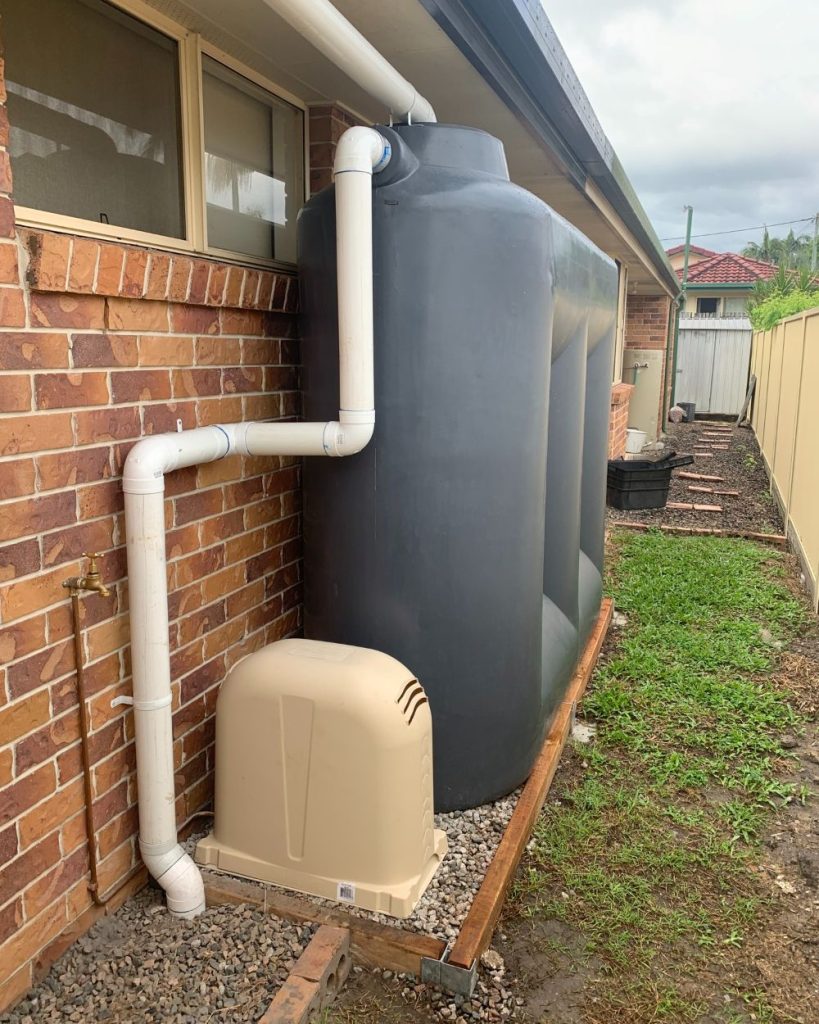
Enhance the Efficiency of Your Rainwater Collection System for Maximum Yield
Assessing your rainwater collection potential is essential for effective water management. This potential is significantly influenced by two key factors: your roof area and the average annual rainfall in your region. Understanding these elements is vital for planning a functional rainwater system that meets your needs.
Here are some important specifics to keep in mind:
- On average, for each square metre of roof space, you can collect approximately 1 litre of water for every 1mm of rainfall.
- If your roof spans 200m² and your area receives 1,200mm of rain annually, you could theoretically harvest 240,000 litres each year.
However, it’s crucial to recognize that this figure represents an ideal situation. In practice, various factors such as first flush systems, evaporation, roof slope, gutter design, and overflow can lead to water loss.
We generally recommend planning for a collection efficiency of 80–90% to effectively accommodate these variables and maximize the benefits of your rainwater harvesting system.
What Are Your Intended Uses for the Collected Rainwater?
At this stage, practical considerations become paramount. Are you planning to collect rainwater solely for garden irrigation, or do you intend to use it for toilets, laundry, or for your entire household's needs? Understanding your objectives will help in selecting the right system.
Here are several key factors to deliberate:
Assessing the Right Tank Size for Your Garden Irrigation Needs
If your main objective is to irrigate lawns, vegetable patches, or ornamental gardens, a small to mid-sized tank (2,000–5,000 litres) should suffice.
However, this largely depends on the size of your garden and the local rainfall patterns.
In regions where brief, intense rain showers frequently occur, larger tanks may be necessary to capture as much rainwater as possible during these downpours, ensuring that your garden remains lush and vibrant.
Effectively Utilizing Rainwater for Laundry and Toilet Applications
Households that incorporate rainwater for toilets and washing machines often find that 5,000–10,000 litre tanks deliver significant advantages. These appliances typically account for approximately 35–40% of internal water usage, leading to considerable cost savings over time. Using rainwater for these purposes not only helps in reducing your water bills but also contributes to sustainable living practices.
It is essential to include a pump and appropriate plumbing to connect these systems to your home, a service that Creek to Coast expertly manages as part of our comprehensive installation process, ensuring everything is set up correctly for your convenience.

Efficiently Supplying Water to Your Entire Household
If your goal is to achieve complete self-sufficiency or to supply rainwater to every faucet in your home, you will likely require 20,000 litres or more, depending on the size of your household. Larger tanks can also serve as a vital backup water supply for fire emergencies, during dry spells, or when entertaining guests, ensuring that you are well-prepared for any situation.
How Many People Reside in Your Household?
A useful guideline suggests providing around 150–250 litres per person per day when utilizing rainwater for general household purposes. This estimate helps in planning your water needs effectively.
- For a couple: a 5,000–10,000 litre tank is typically adequate.
- For families of four or more: consider 10,000–20,000 litres or larger to ensure an ample supply for all household needs.
The number of residents in your home will directly influence how quickly your tank depletes, especially during dry periods when water conservation becomes essential, making it vital to plan accordingly.
Is Your Roof Area Sufficient for Effective Rainwater Harvesting?
The dimensions of your roof play a crucial role in determining how much rainwater you can successfully collect.
A larger roof area allows for greater capacity to harvest water effectively.
Moreover, the layout of your roof is also significant. If your home has multiple roof sections that can funnel into a single tank, we can design an efficient downpipe system to maximize water capture from all available surfaces, enhancing your overall water collection capability.
For smaller residences or townhouses, slimline or under-deck tanks may be the optimal choice, and Creek to Coast can assist in identifying the perfect solution tailored to your specific needs, ensuring a seamless integration with your property.

Key Components: Placement, Guttering, and Overflow Management for Optimal Performance
Successful rainwater harvesting involves much more than just the tank itself; it requires a comprehensive system approach.
A well-designed system necessitates:
- Sturdy, well-maintained gutters to prevent blockages and ensure smooth water flow
- Leaf guards and first flush diverters to preserve water quality and protect your tank
- Overflow systems that effectively redirect excess water away from your home's foundations, preventing potential damage
- A secure, level tank pad or stand to reliably support the structure, ensuring stability and safety
Creek to Coast Plumbing provides comprehensive rainwater system installations, including gutter enhancements, pump connections, stormwater management, and filtration systems to ensure that your tank is secure and ready for use from day one, promoting a sustainable water management solution.
How Can You Ensure Cleaner and Safer Rainwater for Your Home?
We strongly advocate for implementing a whole-house rainwater filtration system, especially if you plan to use your collected rainwater for more than just garden irrigation.
The Puretec Hybrid Plus systems, expertly installed by our team, can effectively eliminate sediments, odors, tannins, bacteria, and adjust the water’s pH to minimize copper leaching and pipe corrosion. Explore the numerous benefits of water filtration for your collected rainwater, ensuring that it is safe for all household uses.
Making Informed and Strategic Choices for Your Rainwater Tank Selection
Choosing a rainwater tank involves more than simply opting for the largest option available; it’s about aligning your system with your roof size, the rainfall patterns in your area, and your unique water usage needs, ensuring sustainability and efficiency.
At Creek to Coast Plumbing, we have been assisting Queensland homeowners in establishing sustainable rainwater systems for over 30 years. From identifying the ideal tank size and placement to complete guttering and filtration solutions, we are committed to ensuring that you maximize every drop of valuable rainwater, contributing to a greener future.
The Article: Choosing the Right Size Rainwater Tank for Your Queensland Home first appeared on https://writebuff.com
The Article Choosing the Right Size Rainwater Tank for Queensland Homes Was Found On https://limitsofstrategy.com
The Article Choosing the Right Size Rainwater Tank for Homes in Queensland First Appeared ON
: https://ad4sc.com
No responses yet