Essential Ingredients for Crafting Authentic Enchiladas
Choosing the Perfect Tortillas for Unforgettable Enchiladas
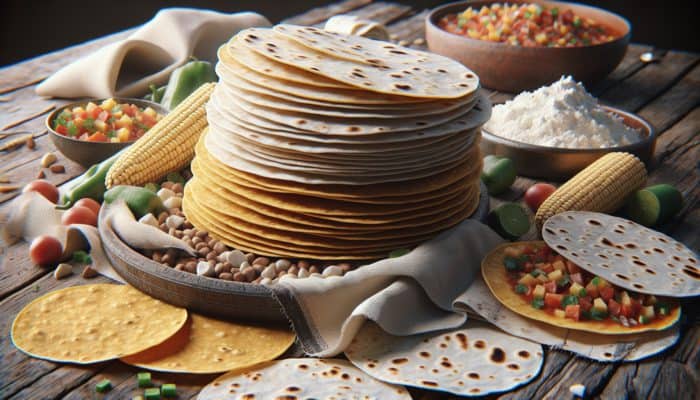
To create authentic Mexican enchiladas, selecting the right tortillas is a pivotal first step. Traditionally, corn tortillas are favored due to their unique flavor and texture, which impart an earthy essence that elevates the entire dish. In certain regions, however, flour tortillas have become popular, especially among those who appreciate a softer and chewier consistency. The decision between corn or flour tortillas ultimately depends on personal preferences and dietary requirements. For instance, corn tortillas are naturally gluten-free, offering a traditional taste, whereas flour tortillas can hold more filling and are less prone to breaking during rolling. When selecting your tortillas, consider nutritional content, dietary restrictions, and the texture you aim to achieve.
Freshness plays a critical role; opt for locally made tortillas or consider crafting your own using masa harina. The tortilla's quality can significantly impact the entire enchilada experience. If opting for store-bought tortillas, carefully inspect the ingredient list for authenticity—choose options that consist of only corn, water, and lime. This minimalist ingredient profile ensures a flavor that resonates with traditional Mexican cuisine.
Choosing the Ideal Cheese to Elevate Your Enchiladas
The selection of cheese for your enchiladas can transform this dish from ordinary to extraordinary. Common choices include queso fresco, crumbled on top for a creamy, salty contrast; cheddar, which adds a sharp flavor; and Monterey Jack, renowned for its excellent melting properties. Each type of cheese contributes a distinct flavor profile that enhances the overall taste experience. When choosing cheese, consider both its flavor and meltability, as these factors significantly influence the dish's texture and enjoyment.
For a genuinely rich experience, look for artisanal cheeses made through traditional methods, as some may use local ingredients or specific regional techniques that deepen your appreciation for Mexico's culinary heritage. Feel free to experiment with a combination of cheeses, as this can yield exciting flavor complexities; mixing different varieties can lead to delightful discoveries that tantalize your taste buds.
What Protein Options Can You Use in Your Enchiladas?
Enchiladas are remarkably versatile, offering a wide range of protein options to suit various dietary preferences. Traditional choices often feature seasoned shredded chicken or beef, both of which can be enhanced with various spices for added flavor. For those seeking vegetarian alternatives, consider using beans, lentils, or a medley of sautéed vegetables such as zucchini, bell peppers, and mushrooms. These options not only contribute to a nutritional balance but also enrich the overall flavor profile of the dish.
Regional variations can greatly influence protein selections; for instance, in coastal regions, seafood like shrimp or fish is often included, introducing a refreshing twist to the classic recipe. When choosing your protein, consider how the flavors will meld with your sauce and toppings to ensure a harmonious dish. Moreover, the method of preparation is vital; slow-cooked meats absorb spices and moisture beautifully, while grilling vegetables can enhance their natural sweetness, ensuring that every bite is a delightful experience.
Choosing the Perfect Sauce to Enhance Your Enchiladas
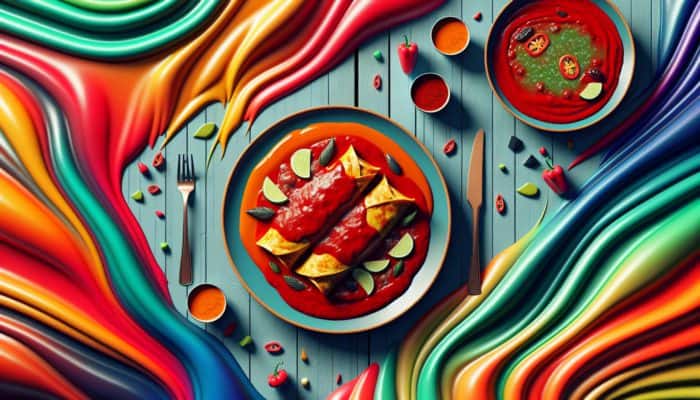
The sauce represents one of the most critical components of any enchilada dish, with red and green chili sauces emerging as traditional favorites. A red sauce, typically made with dried red chilies, delivers a rich, smoky flavor that captivates the palate. In contrast, a green sauce, usually prepared from tomatillos or green chilies, provides a tangy, refreshing taste. Your selection should align with the flavor profile you wish to achieve, as each sauce can dramatically alter the overall dining experience.
Consider the heat level of your sauce; certain chilies are milder than others, and the right pairing can either amplify or diminish specific flavors. A well-balanced sauce should complement the protein without overpowering it. When preparing your sauce, taste frequently and adjust the seasoning and heat according to your preferences. A sauce that is too spicy can overshadow other ingredients, while one that is bland may leave your dish lacking in depth and character.
Fresh Toppings and Garnishes for the Ultimate Enchiladas Experience
Enhancing your enchiladas with fresh toppings and garnishes is essential for taking the dish to new heights. Ingredients like finely chopped onions, fresh coriander, and a squeeze of lime provide a burst of brightness and flavor that can significantly elevate the dish. Additionally, creamy elements like sour cream or avocado add a rich contrast to the spiciness of the enchiladas. These toppings not only amplify flavor but also introduce a delightful textural contrast that enhances the overall enjoyment of each bite.
When selecting your garnishes, aim for a balance of textures and tastes. A sprinkle of crumbled queso fresco can contribute creaminess, while diced tomatoes can offer a juicy crunch. Tailoring these elements to suit your preferences can transform simple enchiladas into a stunning dish. Feel free to explore various garnishing techniques, whether it’s a drizzle of crema for added richness or a scattering of pomegranate seeds for a vibrant splash of color and sweetness.
Mastering the Craft of Enchilada Sauce Preparation
Key Ingredients for Creating Authentic Enchilada Sauce
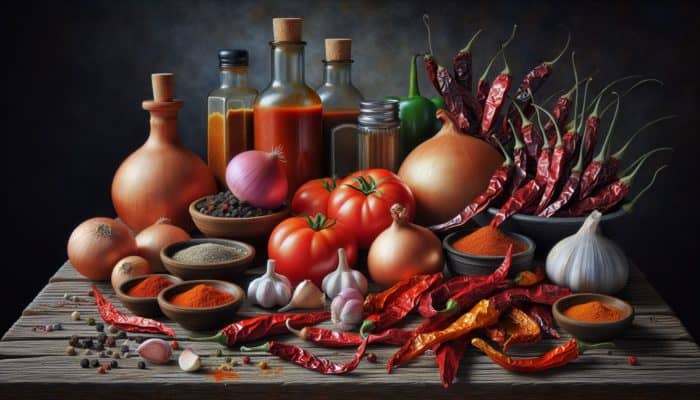
The essence of any genuine enchilada is encapsulated within its sauce. A traditional enchilada sauce generally consists of fundamental ingredients such as tomatoes, dried chilies, garlic, and a variety of spices. The tomatoes provide a rich base, while the chilies introduce heat and complexity. Selecting the right type of chili is crucial; options like ancho, guajillo, or chipotle can bring layers of flavor, ranging from sweet and smoky to spicy and bold.
Garlic and onions play essential roles in building a flavorful foundation, injecting aromatic qualities that elevate the sauce. Spices such as cumin, oregano, and a hint of cinnamon can provide depth and harmony to the flavor profile. Adjust the heat to your liking by managing the quantity and type of chilies used. The beauty of crafting your sauce lies in its flexibility; feel free to experiment with ingredient ratios until you discover the perfect balance that excites your palate.
Effective Cooking Techniques for Achieving Perfect Sauce Consistency
Achieving the ideal sauce consistency relies heavily on the cooking techniques employed. Two primary methods—simmering and blending—each offer unique benefits. Simmering allows flavors to meld together, resulting in a rich, cohesive sauce. This slow-cooking technique softens the chilies, making them easier to blend, while concentrating their flavors.
Conversely, blending the sauce can yield a smooth and creamy texture, perfect for those who prefer a more refined finish. If using dried chilies, lightly toasting them in a dry skillet before incorporating them into the sauce can significantly enhance their flavor. The choice between simmering and blending ultimately depends on your desired texture; for a chunky sauce, prolonged simmering is ideal, while a quick blend can create a smoother consistency. Regardless of your method, always taste and adjust the seasoning throughout the cooking process to ensure maximum flavor.
How Can You Effectively Thicken Your Enchilada Sauce?
To achieve the desired thickness for your enchilada sauce, several effective methods can be employed to thicken the sauce. Here are some tried-and-true techniques:
- Roux: A mixture of flour and fat cooked together forms a thick base.
- Reduction: Simmering the sauce uncovered allows excess liquid to evaporate, naturally thickening it.
- Cornstarch Slurry: Combining cornstarch with water and stirring it into the simmering sauce can quickly thicken it.
- Mashed Beans: Blending pureed beans into the sauce contributes body and creaminess.
- Vegetable Puree: Incorporating pureed cooked vegetables like potatoes or squash can also enrich and thicken the sauce.
- Chia Seeds: Ground chia seeds can absorb liquid and thicken the sauce without altering its flavor.
Experimenting with these techniques allows you to find the perfect consistency that aligns with your taste preferences. Always remember to add thickeners gradually, allowing the sauce time to adjust before adding more.
Expert Techniques for Assembling Your Enchiladas
Layering Tortillas for Optimal Flavor and Texture
The assembly process of your enchiladas is critical for ensuring each bite is bursting with flavor and texture. Begin by spreading a base layer of sauce in your baking dish—this not only prevents sticking but also infuses the tortillas with flavor. Next, briefly soak each tortilla in the sauce to soften it, making it easier to roll. Proper layering is essential; start with a tortilla, followed by a portion of your protein filling and a sprinkle of cheese. Fold it tightly to securely encase the filling.
Continue this process for additional layers if desired, but be cautious not to overfill, as this can result in a messy final product. The key is to maintain a balance between filling and tortilla, ensuring each enchilada holds its shape while being packed with flavor. Depending on your preferences, you may also wish to alternate fillings for a more diverse flavor experience throughout the dish.
What Is the Best Technique for Rolling Enchiladas Successfully?
Rolling enchiladas correctly is essential for maintaining their structure during baking. The best way to roll enchiladas is to tightly wrap the tortilla around the filling, ensuring it remains sealed throughout the cooking process. To achieve an effective roll, use a spoon to guide the filling, preventing it from escaping. Start by placing the filling towards one end of the tortilla, leaving space on the sides to avoid overflow.
- Warm the tortillas to enhance their flexibility.
- Use a spoon to scoop the filling and position it towards the end of the tortilla.
- Fold in the sides before rolling to secure the filling.
- Roll tightly, but not excessively so, to avoid tearing.
As you roll, keep the edges tucked to ensure a neat appearance. If you find that your tortillas frequently tear or break, consider lightly frying them in oil for a few seconds to improve flexibility. This technique also adds delightful flavor and texture to the final dish.
Topping and Baking Your Enchiladas for Culinary Perfection
Once your enchiladas are assembled, it’s time to top and bake them. Generously coat the rolled enchiladas with your chosen sauce, allowing them to absorb rich flavors and preventing dryness in the oven. After applying the sauce, generously sprinkle cheese on top; this will melt beautifully during baking, creating an inviting crust.
Preheat your oven to a moderate temperature, typically around 180°C (350°F). Bake the enchiladas until the cheese is melted and bubbly, usually for about 20-25 minutes. For a golden finish, consider broiling briefly at the end—watch closely to prevent burning. The desired outcome is enchiladas that are thoroughly heated, topped with perfectly melted cheese that beckons you to indulge.
Serving and Garnishing Enchiladas for an Impressive Presentation
The presentation of your enchiladas significantly enhances the dining experience. After removing them from the oven, allow them to cool slightly before serving. This resting period allows the flavors to settle and makes plating easier. Garnish with freshly chopped coriander, diced tomatoes, and a dollop of sour cream for added richness. A squeeze of lime over the top brightens the dish, accentuating the flavors of the sauce and fillings.
Consider the overall composition of the dish—how the colors and textures of the garnishes complement the enchiladas. A vibrant presentation not only stimulates the appetite but also showcases the effort invested in creating the meal. Whether it’s a casual family dinner or a festive gathering, the way you serve enchiladas can leave a lasting impression on your guests.
Expert Insights on Cooking Authentic Mexican Enchiladas
Real-World Examples of Successful Enchilada Recipes
Real-life examples provide a wealth of inspiration for crafting delectable enchiladas. Numerous chefs and home cooks have shared their recipes, showcasing unique ingredient combinations that appeal to a variety of taste preferences. For example, a popular recipe features a spicy chicken filling paired with a creamy green sauce, while another highlights a rich beef filling complemented by a robust red sauce. These examples illustrate the adaptability of enchiladas and their ability to cater to diverse palates and cultural influences.
- Chicken enchiladas with tomatillo sauce.
- Black bean and cheese enchiladas with mole sauce.
- Seafood enchiladas topped with a spicy red sauce.
- Vegetarian enchiladas filled with roasted vegetables and green sauce.
These showcased recipes not only inspire creativity but also demonstrate how traditional flavors can be reimagined to suit contemporary tastes. The key lies in using quality ingredients and respecting traditional preparation methods while allowing for a personal touch. When sharing your creations, consider documenting the process with photos or videos to inspire others in their culinary adventures.
Actionable Steps for Enhancing Flavors in Your Enchiladas
To elevate your enchiladas, focus on specific steps for flavor enhancement. Begin by marinating your proteins with spices, herbs, or citrus for several hours prior to assembly. This infusion allows flavors to meld, resulting in a richer taste. Additionally, aim to layer flavors by incorporating different spices at various stages of preparation; for example, adding cumin to the filling and oregano to the sauce can create a harmonious blend.
Don't overlook the impact of toasting your spices before adding them to the dish. This technique releases essential oils, intensifying their flavor. While preparing sauces, taste frequently and adjust the acidity with lime juice or sweetness with a pinch of sugar to achieve the perfect balance. The ultimate goal is to build layers of flavor that develop complexity, ensuring that each bite is a burst of deliciousness.
Expert Analysis on Common Mistakes in Enchilada Preparation
Several common mistakes can occur during enchilada preparation, potentially compromising the final result. A frequent error is using overly dry or stale tortillas, which leads to breakage and an undesirable texture. Always ensure your tortillas are fresh, or consider warming them to increase pliability. Another common oversight is failing to season the filling adequately; without proper seasoning, even the best ingredients can taste flat.
Moreover, sauce consistency is crucial; a sauce that is too thick can dry out the enchiladas, while one that is too thin may result in a soggy dish. Striking the right balance is essential for achieving that satisfying texture. Lastly, avoid overfilling the enchiladas; too much filling can cause them to burst during baking, ruining the presentation. By following these tips, you can create enchiladas that are not only flavorful but also visually appealing.
Tips on Authentic Mexican Cooking Techniques
Authentic cooking techniques are invaluable for preparing traditional enchiladas. One method involves creating your own masa from nixtamalized corn, which can greatly enhance the flavor of your tortillas. While this process may seem daunting, it is worth the effort for those seeking authenticity. Additionally, consider utilizing traditional cooking tools, such as a comal for grilling tortillas or a molcajete for grinding spices, to deepen your connection to the cooking process.
Another recommendation is to incorporate regional ingredients that reflect the area you are inspired by. For example, if you are making enchiladas from Oaxaca, think about including local cheese and chilies that are indigenous to the region. Embracing these authentic techniques not only enhances the flavor of your enchiladas but also pays tribute to Mexico's rich culinary traditions. By exploring these methods, you can create a dish that genuinely represents its cultural heritage.
What Are the Benefits of Preparing Enchiladas at Home?
Cost-Effectiveness of Homemade Enchiladas
Preparing enchiladas at home can be an incredibly cost-effective option compared to dining out. Many of the ingredients needed for enchiladas are affordable and readily available, allowing you to create a delicious meal for a group without straining your budget. For instance, tortillas, beans, and seasonal vegetables can typically be sourced at low prices, while purchasing proteins in bulk can lead to additional savings. This approach not only offers financial flexibility but also encourages innovative use of leftovers or seasonal produce.
Cooking at home also grants you control over portion sizes, minimizing food waste and ensuring that each meal feels satisfying without excess leftovers. Furthermore, when you prepare enchiladas from scratch, you can customize the recipe to fit your budget, opting for more economical proteins or seasonal vegetables that help keep costs down. Over time, these savings can accumulate, making homemade enchiladas a delightful and economical dining choice.
Enjoying Customization Options in Your Enchiladas
One of the most enjoyable aspects of creating enchiladas is the extensive customization options available. This dish allows you to cater to a wide range of dietary preferences and restrictions, whether it’s gluten-free, vegetarian, or vegan. For example, utilizing gluten-free tortillas or substituting traditional cheese with plant-based alternatives can make enchiladas accessible to a broader audience. Additionally, you can explore various flavor profiles by incorporating different fillings and sauces, catering to individual tastes.
The possibilities are virtually limitless; consider experimenting with fillings that reflect local cuisine or exploring fusion flavors that draw inspiration from other culinary traditions. This flexibility enables you to design enchiladas that are uniquely yours while still honoring the essence of the traditional dish. Such a personal touch not only enhances your enjoyment but also engages your guests by offering them a meal tailored to their preferences.
What Nutritional Benefits Do Enchiladas Provide?
Enchiladas can offer a well-rounded nutritional value, making them a fulfilling meal choice. By incorporating a balance of proteins, vegetables, and dairy, you can create a dish that is both satisfying and nutritious. For instance, a filling made with lean chicken or beans provides essential protein, while incorporating vegetables like spinach or bell peppers boosts fiber and vitamins. Adding cheese contributes calcium and healthy fats, ensuring a balanced meal.
Moreover, you can easily modify the nutritional profile of your enchiladas by choosing healthier ingredients, such as whole-grain tortillas or low-fat cheese. This adaptability allows you to maintain flavor while promoting healthier eating habits. When prepared with a focus on quality ingredients, enchiladas can serve as a nutrient-dense meal that aligns with various dietary goals, providing energy and satisfaction.
How Can You Serve Enchiladas for Various Occasions?
Creating a Casual Family Dinner with Enchiladas
Enchiladas serve as a fantastic option for casual family dinners, as they are both hearty and comforting. Their versatility allows for quick preparation; you can prepare them in advance and bake them just before mealtime. Pair enchiladas with classic sides like rice and beans to create a complete meal, ensuring that everyone leaves the table satisfied. The communal nature of enchiladas encourages sharing, making them ideal for family gatherings.
Consider setting up a toppings bar where family members can personalize their enchiladas with garnishes such as sour cream, shredded cheese, or fresh vegetables. This interactive approach adds an element of fun and allows individual preferences to shine. The ease of assembly and adaptability of flavors make enchiladas a go-to option for busy evenings or relaxed family nights at home.
What Are Some Elegant Ways to Present Enchiladas?
For special occasions, enchiladas can be elevated with elegant presentation ideas that impress your guests. Begin by selecting a beautiful serving dish that showcases the vibrant colors of your enchiladas. Consider layering the enchiladas to highlight their textures, with fresh garnishes artfully arranged on top. Adding elements like avocado slices, edible flowers, or a colorful drizzle of crema can create visual interest and sophistication.
Moreover, serving enchiladas on individual plates allows for a more refined dining experience. Pair the dish with complementary sides, such as a fresh salad or grilled vegetables, to create a balanced plate. The key to an elegant presentation lies in attention to detail; incorporating seasonal ingredients or decorative garnishes can transform a simple dish into a culinary masterpiece that captivates your guests.
Making Enchiladas for Large Gatherings and Celebrations
Enchiladas excel at large gatherings and parties due to their ability to be prepared in bulk. When hosting an event, consider offering a variety of enchiladas to cater to different tastes and dietary preferences. Setting up a DIY topping bar allows guests to customize their enchiladas to their liking, ensuring that everyone finds something enjoyable. This interactive dining experience fosters a sense of community and engagement among your guests.
To streamline serving, prepare your enchiladas in advance and keep them warm in the oven until guests arrive. Having multiple trays featuring different fillings and sauces adds variety while facilitating easier serving. Enchiladas are filling, making them an excellent option for satisfying hungry guests, while their versatility ensures they can accommodate various dietary needs.
Quick and Easy Weeknight Meals with Enchiladas
On busy weeknights, enchiladas can effortlessly transform into quick weeknight meals with a little planning. Utilizing pre-made sauces or leftover proteins can significantly reduce preparation time, allowing for a wholesome dinner in under an hour. Incorporate frozen or fresh veggies along with your preferred fillings to expedite the cooking process while maintaining flavor and nutrition.
Assemble the enchiladas ahead of time and store them in the fridge until you’re ready to bake, making it easy to get dinner on the table during hectic evenings. Pair with a simple side salad or some steamed vegetables for a complete meal that satisfies the entire family. The adaptability of enchiladas makes them the perfect choice for weeknight dinners, combining convenience with outstanding flavor.
Essential Tips for Storing and Reheating Enchiladas
Implementing Proper Storage Strategies for Enchiladas
To keep your enchiladas fresh, implementing proper storage techniques is crucial. Start by allowing the enchiladas to cool completely before transferring them to airtight containers. If you plan to store them for more than a day, consider freezing them. In this case, wrap individual portions in plastic wrap before placing them in a freezer-safe container to prevent freezer burn. Label the containers with dates to monitor freshness.
When storing enchiladas, consider separating the sauce from the tortillas if possible to preserve their texture. This helps avoid sogginess and ensures they maintain an appealing bite when reheated. Properly stored, refrigerated enchiladas can last up to 5 days, while frozen enchiladas can be kept for up to 3 months, making them a convenient meal option for later enjoyment.
Effective Methods for Reheating Leftover Enchiladas
When it comes to reheating enchiladas, the method you choose can significantly impact their texture and flavor. The oven is the best choice for preserving the dish's integrity, allowing for even heating and maintaining crispy edges. Preheat your oven to approximately 180°C (350°F) and cover the enchiladas with foil to prevent drying out. Bake for about 20 minutes or until they’re heated through.
If you're pressed for time, the microwave serves as a quick alternative, although it may result in a softer texture. Place the enchiladas on a microwave-safe plate, cover with a damp paper towel, and heat in short intervals until warm, being cautious not to overcook. Regardless of the method, ensure that the enchiladas reach an internal temperature of 75°C (165°F) to guarantee food safety.
How Long Can You Safely Store Enchiladas?
Understanding how long you can store enchiladas is essential for maintaining food safety and quality. When refrigerated, enchiladas can last up to 5 days without compromising their flavor or safety. If you opt to freeze them, they can be kept for up to 3 months, providing convenient meal options for later enjoyment. To maximize freshness, ensure they are stored in airtight containers or well-wrapped to prevent exposure to air, which can lead to freezer burn.
When you’re ready to enjoy them, ensure that you reheat them thoroughly before serving. A good rule of thumb is to check for an internal temperature of 75°C (165°F) to ensure they’re safe to eat. This knowledge allows you to savor your enchiladas at your leisure while preserving their flavor and texture.
Innovative Variations and Creative Innovations in Enchilada Recipes
Exploring Exciting Filling Options for Enchiladas
One of the most thrilling aspects of creating enchiladas is the opportunity to explore differing fillings. While traditional choices like chicken and beef are beloved, consider branching out by incorporating seafood such as shrimp or fish, or even exotic vegetables like butternut squash or jackfruit to create unique flavor profiles. Each filling introduces its own character to the dish, allowing you to craft a variety of enchiladas that cater to diverse tastes.
Additionally, consider combinations that blend influences from different cuisines. For instance, Asian-inspired enchiladas featuring marinated tofu or kimchi can provide an exciting twist. Incorporating local ingredients can also enhance the culinary experience, introducing flavors that resonate with your personal palate or regional cuisine. The beauty of enchiladas lies in their adaptability; embrace creativity and unleash your culinary imagination!
Creating Unique Sauce Variations for Your Enchiladas
The sauce is a defining aspect of enchiladas, and experimenting with sauce variations can completely transform the dish. While red and green sauces are traditional, consider trying mole, a rich and complex sauce that combines chocolate with spices, or even a creamy white sauce infused with herbs. Each sauce introduces its own unique flavor, allowing you to customize your enchiladas for various culinary themes.
Feel free to blend different chilies to develop a custom sauce that balances heat and flavor. Combining sweet and smoky elements can lead to delightful discoveries that tantalize the palate. The versatility of sauces offers countless opportunities for innovation, inviting you to create enchiladas that reflect your personal taste and the culinary traditions you wish to explore.
What Are Some Modern Twists on Classic Enchiladas?
Modern cooking has birthed a plethora of twists on traditional enchiladas, incorporating contemporary ingredients and techniques. For example, vegan enchiladas prepared with cashew cream or lentil filling illustrate how to adapt classic recipes to fit modern dietary preferences. Gluten-free options are also increasingly popular, utilizing alternative flours or vegetables as wrappers.
Consider introducing innovative cooking methods, such as grilling or air frying, to achieve a distinctive texture and flavor. By leveraging new culinary trends, you can refresh the classic enchilada dish while retaining its essence. Embracing these innovations ensures that enchiladas remain relevant and exciting in today’s diverse food landscape, encouraging culinary exploration and creativity.
Frequently Asked Questions About Enchiladas
Can I use flour tortillas instead of corn tortillas for enchiladas?
Yes, you can utilize flour tortillas in place of corn tortillas for enchiladas. While corn tortillas are traditional, flour tortillas offer a softer texture and may be easier to handle for some.
What is the best way to keep enchiladas from becoming soggy?
To prevent enchiladas from becoming soggy, avoid overloading them with sauce during assembly. Additionally, preheating your tortillas and using a thicker sauce can help maintain better texture.
How can I make enchiladas spicier?
To increase the heat of your enchiladas, add hotter chilies to the sauce, such as serrano or habanero. You can also mix chopped jalapeños into the filling for an extra kick.
Are enchiladas considered healthy?
Enchiladas can be healthy when prepared with fresh ingredients and well-balanced fillings. Incorporating lean proteins, an abundance of vegetables, and whole-grain tortillas can enhance their nutritional value.
Can I freeze enchiladas?
Yes, enchiladas can be frozen. Wrap them securely in plastic wrap and store them in airtight containers. They can last up to 3 months in the freezer.
How do I reheat frozen enchiladas?
To reheat frozen enchiladas, place them in the oven at 180°C (350°F) and heat until they are thoroughly warmed, typically 30-40 minutes. Cover with foil to prevent drying out.
Can I prepare enchiladas in advance?
Yes, enchiladas can be assembled ahead of time and stored in the refrigerator until you’re ready to bake. This makes for a convenient meal option when hosting or during busy weeknights.
What sides pair well with enchiladas?
Sides that complement enchiladas include Mexican rice, refried beans, guacamole, or a fresh salad. These accompaniments beautifully enhance the flavors of the enchiladas.
Is there a vegetarian option available for enchiladas?
Absolutely, vegetarian enchiladas can be made using ingredients like beans, cheese, or a variety of vegetables such as spinach, zucchini, and mushrooms, offering a delicious alternative to meat.
Which type of cheese is best for enchiladas?
Cheeses like queso fresco, Monterey Jack, or cheddar work excellently for enchiladas. Each provides unique flavors and melting characteristics that enhance the overall dish.
Stay updated with us on Facebook!
The post How to Cook Authentic Mexican Enchiladas: A Universal Guide appeared first on https://cookinggods.com
The Article Authentic Mexican Enchiladas: Your Ultimate Cooking Guide Was Found On https://limitsofstrategy.com
The Article Authentic Mexican Enchiladas: A Comprehensive Cooking Guide First Appeared ON
: https://ad4sc.com
No responses yet