Essential Safety Practices for Using a Blowtorch in Cooking Environments
What Key Considerations Should You Keep in Mind When Choosing the Perfect Blowtorch for Culinary Use?
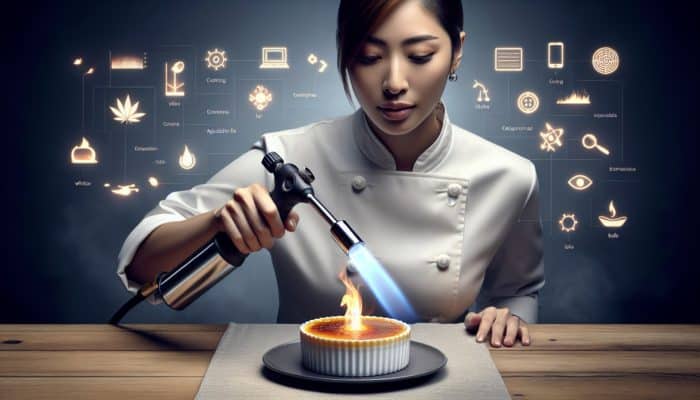
Selecting the ideal blowtorch is crucial for ensuring both safety and achieving exceptional results in your culinary endeavors. When on the hunt for the optimal culinary blowtorch, prioritize models that include vital safety features like a safety lock and an adjustable flame. These attributes allow you to effectively control the intensity of the flame, which is essential for applying heat precisely where needed, avoiding damage to food or creating dangerous situations. Additionally, choosing a blowtorch equipped with an ergonomic grip enhances stability during operation, significantly lowering the risk of accidents and ensuring a more secure cooking experience.
As you explore various options, it's essential to choose blowtorches specifically designed for culinary tasks, as they are crafted to address the unique challenges associated with cooking. Look for models featuring built-in igniters, which add an extra layer of safety by negating the necessity for traditional matches or lighters. Moreover, reading product reviews and gathering feedback from experienced users will help you ensure that the blowtorch you select is not only dependable but also safe for your cooking endeavors.
What Essential Protective Gear Should You Wear for Safe Blowtorch Operation?
Prioritizing your safety is paramount when using a blowtorch, and donning appropriate protective gear can significantly reduce the risks associated with open flames and high temperatures. Essential protective items include:
- Heat-resistant gloves: These gloves offer vital insulation against heat while providing the necessary dexterity to effectively handle food and tools.
- Apron: A sturdy, heat-resistant apron protects your clothing and body from splashes and flames, allowing you to maintain a professional appearance while cooking.
- Safety goggles: These goggles shield your eyes from flying debris and harmful vapours produced during blowtorch operation, providing an essential layer of protection.
- Closed-toe shoes: Durable footwear safeguards your feet from dropped tools or accidental flames, significantly lowering the risk of injury.
- Long-sleeve clothing: Wearing long sleeves adds an extra barrier against potential burns, ensuring your arms are shielded from heat exposure.
It is vital to confirm that your protective gear fits correctly and is in excellent condition before commencing your cooking session. Regularly checking your gloves and goggles will greatly enhance your safety as you venture into the exciting world of culinary blowtorches.
Why is Proper Ventilation and Workspace Setup Critical for Safety?
Ensuring adequate ventilation is vital when utilizing a blowtorch, as it helps disperse potentially harmful fumes. A workspace with sufficient airflow significantly decreases the risk of inhaling toxic gases generated during combustion, creating a safer cooking environment. Always choose a workspace that offers good airflow; you might need to open windows or use an exhaust fan to ensure proper ventilation. Additionally, it is crucial to organize your cooking area away from flammable materials. Items such as papers, cloths, and even certain food products should be kept at a safe distance from the blowtorch’s flame to avert unintended fires.
Furthermore, the surface you work on requires thoughtful consideration. An ideal workspace consists of a sturdy, non-flammable surface, like a metal table or countertop, specifically designed for blowtorch cooking. By organizing your cooking tools and keeping them easily accessible, you minimize unnecessary movements that could lead to accidents. Establishing a designated cooking zone for blowtorch use greatly reduces risks and enhances your overall enjoyment of culinary experiences.
What Safe Methods Should You Use for Igniting and Extinguishing Your Blowtorch?

Knowing the proper techniques for igniting and extinguishing your blowtorch is vital for effective and responsible use. Always adhere to the manufacturer’s instructions to prevent accidents. When igniting, ensure the blowtorch is directed away from your body and any flammable materials. Gradually open the gas valve while using the igniter to produce a flame, maintaining a steady hand to keep the flame under control.
To extinguish the blowtorch, turn off the gas valve immediately after completing your cooking tasks. Allow the flame to extinguish completely before storing the blowtorch. This practice prevents any leftover gas from escaping, significantly reducing the risk of accidental ignition. Always double-check that the flame is fully out and that the device has cooled down before storing it, ensuring that your workspace remains safe for future culinary activities.
What Essential Emergency Procedures and First Aid Should You Be Aware Of?
In the unfortunate event of an accident involving burns or fires, being knowledgeable about emergency procedures can significantly lessen the severity of injuries. For treating burns, cool the affected area by running it under cold water for at least 20 minutes. Avoid applying ice, as it can cause further damage to the skin. Cover the burn with a clean, non-stick dressing and seek medical attention if necessary.
In the event of a fire, remember the acronym “PASS” for effective fire extinguisher use: Pull the pin, Aim low, Squeeze the handle, and Sweep side to side. Always keep a fire extinguisher readily accessible while using a blowtorch, and ensure that everyone in the kitchen is aware of its location and how to operate it. Maintaining an emergency contact list nearby, including poison control and local emergency services, can prove invaluable during a crisis.
Expert Insights on Safe Blowtorch Usage in Culinary Arts
How Do Professional Chefs Ensure Safety When Using Blowtorches?
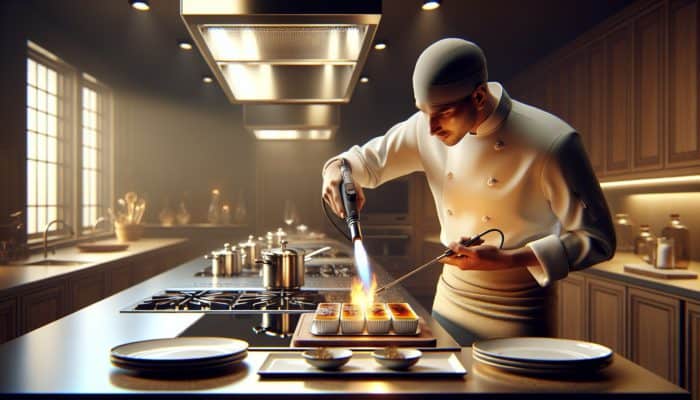
Professional chefs regularly incorporate blowtorches into their cooking processes, demonstrating their versatility and safety when used appropriately. For instance, celebrated pastry chefs frequently utilize blowtorches to caramelize the tops of crème brûlée. They apply the flame in a sweeping motion, maintaining constant movement to prevent burning the sugar. This technique not only enhances the dessert's flavor but also creates an impressive visual appeal that delights diners.
Another notable example comes from chef and BBQ expert Steven Raichlen, who emphasizes the benefits of blowtorches for achieving perfectly seared meat. He stresses the importance of ensuring that the meat’s surface is dry before employing a blowtorch for optimal results. Raichlen highlights that controlling the flame is essential for forming a perfect crust while keeping the interior tender and juicy. These professionals exemplify the significance of techniques and precautions, illustrating that blowtorches can be securely integrated into a diverse array of culinary applications.
What Common Errors Should You Avoid When Using a Blowtorch?
To maximize safety and effectiveness when cooking with a blowtorch, it is vital to steer clear of certain common mistakes. These include:
- Leaving the blowtorch unattended: Always keep your blowtorch within sight during use to prevent accidents and ensure safety.
- Using it near flammable materials: Maintain a safe distance from flammable items, as even a small spark can ignite them, leading to disastrous outcomes.
- Neglecting gas leaks: Regularly check for gas leaks by applying soapy water to the connections; if bubbles appear, it indicates a leak that requires immediate attention.
- Not having a fire extinguisher readily accessible: Always keep a fire extinguisher nearby when utilizing a blowtorch, prepared for any emergencies that may arise.
Being aware of these mistakes can significantly enhance your safety while using a blowtorch in your cooking. By adopting a proactive approach to safety, you can explore the culinary possibilities without exposing yourself to unnecessary risks.
What Expert Techniques Can Ensure Safe and Effective Blowtorch Operation?
Culinary experts consistently emphasize best practices for the safe utilization of blowtorches. One key technique involves maintaining a consistent distance from the food being cooked, generally recommended to be around 6 inches. This distance allows for adequate control over the flame, preventing burns to the dish while achieving uniform caramelization, thereby enhancing the overall appeal of your culinary creations.
Experts also suggest using short bursts of flame instead of a continuous burn. This method facilitates better control and prevents excessive heat buildup, which can lead to burnt food. By incorporating these controlled and deliberate techniques into your cooking routine, you ensure a safer and more enjoyable experience. Furthermore, understanding the flame adjustment features of your blowtorch allows you to modify the intensity according to your cooking needs, providing greater flexibility and safety while preparing food.
How to Select the Best Blowtorch Tailored to Your Cooking Requirements?
Choosing the right blowtorch involves considering several critical features specifically designed for culinary applications. Safety should always be your top priority; look for blowtorches equipped with safety locks to prevent accidental ignition. Moreover, an adjustable flame control is essential as it allows you to customize the heat to your specific cooking needs, whether you are caramelizing sugar or searing meat.
Another significant consideration is the type of fuel. butane is the most commonly used fuel for culinary blowtorches due to its clean burn and ease of use. Ensure that the model you select is compatible with the fuel canisters available in your area. Comfort and usability are also crucial; a blowtorch that feels sturdy in your hand will promote safe maneuverability during cooking. Reading user reviews and seeking recommendations from experienced chefs can further assist you in making an informed choice for your culinary adventures.
Proven Techniques for Mastering Blowtorch Skills in Cooking
How to Achieve Flawless Caramelization with a Blowtorch?
Mastering the art of caramelization with a blowtorch requires both skill and patience. The key is to maintain a consistent distance from the sugar, typically around 6 inches, to ensure even melting. Begin by evenly sprinkling a thin layer of sugar over the surface of your dish; a uniform layer promotes even caramelization, preventing burnt spots from forming.
Once the sugar is applied, ignite your blowtorch and set the flame to a medium level. Move the flame in a circular motion, ensuring it remains in constant movement to avoid overheating any single spot. This technique allows for a beautifully caramelized finish without burning. It is essential to closely monitor the sugar as it melts; the transition from white to golden brown occurs rapidly. Remember, caramelization is about patience and control, so take your time to achieve the desired color and texture.
How to Sear Meat and Seafood with Precision Using a Blowtorch?
Searing meat and seafood with a blowtorch can impart a delightful charred flavor that enhances your dish. The first step is to ensure that the surface of the meat is dry. Pat it down with paper towels, as moisture can create steam and hinder effective searing.
Once dry, season the meat or seafood according to your preferences. Hold the blowtorch at a distance of about 6 inches, using a sweeping motion to evenly apply the flame across the surface. For meat, concentrate on the edges and areas where you desire a deeper char. This technique not only enhances flavor but creates an appealing crust. Seafood, such as scallops, can also benefit from this method; just be cautious not to overdo it, as seafood cooks quickly. Searing with a blowtorch is an effective way to elevate your dishes while ensuring safety and precision throughout the cooking process.
What Expert Tips Can Enhance the Toasting and Browning Process Using a Blowtorch?
A blowtorch is an excellent tool for toasting and browning a variety of dishes, especially when finishing touches are required for meringues or casseroles topped with cheese. To start, prepare the dish by applying a layer of sugar or cheese that you wish to brown. Ensure that this layer is even to promote uniform browning.
When utilizing the blowtorch, hold it at a distance of approximately 6 to 8 inches from the surface. Keep the flame moving in a circular motion to prevent burning any specific area. This technique allows for controlled browning while ensuring that the entire surface receives adequate heat. It is crucial to monitor the process closely, as browning can occur rapidly. The visual transformation from pale to golden brown not only showcases a culinary technique but also significantly enhances the dish's overall presentation.
Research-Backed Benefits of Safe Blowtorch Cooking
What Practical Safety Measures Can You Adopt for Blowtorch Usage?
To safely utilize a blowtorch in your cooking, follow these practical measures. Start by ensuring you are wearing appropriate protective gear, including heat-resistant gloves, an apron, and safety goggles. Next, arrange your workspace in a well-ventilated area, far from flammable materials, to create a safe cooking environment.
When igniting your blowtorch, remember to turn on the gas valve slowly and use the igniter while keeping the torch pointed away from your body. After using the blowtorch, immediately turn off the gas valve to safely extinguish the flame. Regularly inspect your blowtorch for any signs of wear or leaks, and keep a fire extinguisher readily accessible. By diligently following these steps, you can fully enjoy the culinary benefits of a blowtorch while prioritizing your safety.
What Health Benefits Are Associated with Cooking with a Blowtorch?
Utilizing a blowtorch in cooking presents various health benefits worth noting. One significant advantage is the ability to prepare food at elevated temperatures for shorter durations, which can help preserve essential nutrients. Traditional cooking methods often necessitate longer cooking times, potentially leading to nutrient loss; using a blowtorch retains more vitamins and minerals, especially in vegetables, thereby enhancing their health benefits.
Additionally, blowtorches can minimize the need for added fats in cooking. Instead of frying, you can achieve a delicious char or caramelization with minimal oil, resulting in healthier dishes that are lower in calories. This cooking style aligns with contemporary dietary trends that prioritize health-conscious cuisine while still delivering exceptional flavor and presentation that tantalizes the palate.
How Can a Blowtorch Elevate Your Culinary Presentation?
A blowtorch can dramatically enhance the presentation of various dishes, providing professional touches that impress guests and elevate your dining experience. The visual allure of caramelized sugar on desserts not only looks stunning but also adds a unique texture and flavor profile that heightens the overall dish. Similarly, achieving perfectly browned cheese atop a casserole creates an enticing golden crust that beckons diners to indulge.
Moreover, the dramatic effect of a blowtorch can transform even the simplest meals, converting a standard dish into a visually striking feast. By mastering the art of blowtorch usage, home cooks can impress their family and friends with beautifully finished dishes that showcase both creativity and skill. This element of flair, combined with technique, ultimately enriches the culinary experience and leaves a lasting impression on diners.
Best Practices for Maintaining and Storing Your Blowtorch
What Essential Steps Should You Take for Thoroughly Cleaning Your Blowtorch?
Regular cleaning is vital for maintaining the performance of your blowtorch and ensuring its longevity. After each use, allow the torch to cool completely. Use a soft brush to clean the nozzle and remove any food residue or soot that may have accumulated during cooking. For a more thorough clean, apply a mild detergent with a damp cloth to wipe down the exterior surfaces.
Avoid using abrasive materials that may scratch the surface or damage the internal components of your blowtorch. Consistent maintenance not only extends the lifespan of your equipment but also ensures optimal performance during cooking. A clean blowtorch will provide a more consistent flame, enhancing the quality of your culinary creations and making your cooking experiences more enjoyable.
How to Properly Store Your Blowtorch for Maximum Safety and Durability?
Storing your blowtorch correctly is essential for both safety and longevity. After cleaning and ensuring the device is cool, store the blowtorch in a cool, dry location, away from children and pets. It is crucial to ensure that the gas cylinder is secure and that the valve is completely closed. This practice prevents accidental leakage and ensures the blowtorch is ready for safe use the next time you need it.
Consider utilizing a dedicated container or case for the blowtorch to keep it protected from dust and damage. Creating a designated area in your kitchen for the blowtorch and its accessories ensures that it remains organized and easily accessible while still being secure, promoting efficiency in your cooking space.
When Should You Consider Replacing Your Blowtorch?
Recognizing the right time to replace your blowtorch is essential for maintaining safety in the kitchen. Signs that it may be time for a replacement include an inconsistent flame that flickers or fails to ignite reliably. Additionally, any visible gas leaks or hissing sounds when the torch is activated indicate a malfunction that can pose a danger.
Physical damage to the body of the blowtorch or the nozzle can also compromise safety and functionality. If you notice any of these issues, refer to the user manual for guidance and consider replacing the unit. Investing in a new blowtorch when necessary ensures that you can continue enjoying safe and effective culinary experiences without exposing yourself to unnecessary risks.
Troubleshooting Common Blowtorch Issues
How to Effectively Resolve Ignition Issues?
If your blowtorch fails to ignite, the first step is to check the gas level. If the gas canister is empty, replace it with a full one. Next, inspect the nozzle to ensure it is clean and free from obstructions. A clogged nozzle can hinder gas flow, leading to ignition problems. Always refer to the manufacturer’s manual for specific troubleshooting steps tailored to your blowtorch model to ensure you address the issue effectively.
If the blowtorch still does not ignite, consider checking the igniter mechanism. Some blowtorches come with built-in igniters that may need replacement after prolonged use. Regular maintenance can help prevent these problems; however, it is crucial to address ignition issues immediately to avoid potential safety hazards and ensure a smooth cooking experience.
What Steps Should You Take If You Experience an Uneven Flame?
An uneven flame can significantly impact your cooking results. If you encounter this issue, start by adjusting the flame control on your blowtorch. Ensure that there is consistent gas flow, as fluctuations can lead to an uneven burn that affects cooking outcomes.
Additionally, check the nozzle for any blockages that could disrupt the flame pattern. Regularly cleaning the nozzle will help maintain a steady flame and improve overall performance. If adjustments to the flame control do not resolve the issue, consider consulting the user manual for specific troubleshooting steps related to your blowtorch model to ensure safe and effective operation.
What Actions Should You Take If You Detect a Gas Odor?
If you smell gas while using a blowtorch, immediate action is required. First, turn off the blowtorch and vacate the area to avoid any potential ignition sources. Ventilate the space by opening windows and doors to disperse the gas and ensure safety.
Once the area is ventilated, refrain from using any electrical appliances or igniting any flames until you are confident that the leak has been addressed. If the smell persists, consider consulting a professional for assistance. It is essential to take gas leaks seriously to ensure the safety of yourself and others nearby, preventing potential accidents or injuries.
How to Resolve Problems with Clogged Nozzles?
If you experience a clogged nozzle, it’s important to address the issue quickly to maintain optimal performance. Begin by turning off the blowtorch and allowing it to cool completely. Carefully disassemble the nozzle according to the manufacturer's instructions, taking care not to damage any components during the process.
Using a fine wire or needle, gently clean the nozzle to remove any food particles or debris that may be causing the blockage. After cleaning, reassemble the blowtorch and perform a test ignition to confirm proper functionality. Regular cleaning and maintenance will help prevent clogged nozzles, ensuring consistent performance during your culinary sessions.
How to Manage Excessive Soot Production?
Excessive soot production can indicate an improper fuel-air mixture, leading to inefficient combustion and a less desirable cooking experience. To manage this issue, first ensure that the blowtorch is being used in a well-ventilated area. Insufficient airflow can contribute to incomplete combustion, resulting in soot buildup that affects your cooking results.
Adjusting the air intake on the blowtorch can also help improve the fuel-air ratio, facilitating better combustion. If excessive soot continues to be a problem, consider consulting the user manual for troubleshooting tips specific to your model. Regular maintenance, including cleaning the nozzle and ensuring proper airflow, will help mitigate soot production and enhance the overall performance of your blowtorch.
Frequently Asked Questions About Blowtorch Usage
Is it safe to use a blowtorch indoors?
Using a blowtorch indoors can be safe, provided that proper ventilation is established and all flammable materials are kept at a safe distance. Always adhere to safety precautions and ensure the area is free from hazards to minimize risk.
What type of fuel should I use for my culinary blowtorch?
The most commonly used fuel for culinary blowtorches is butane. It is favored for its clean burn and user-friendly nature, making it suitable for a variety of cooking applications that require precision and control.
Can I use a blowtorch for baking?
Absolutely, a blowtorch can be effectively employed in baking for tasks such as caramelizing sugars, toasting meringues, or creating a beautifully brown crust on specific desserts, enhancing both flavor and presentation in your culinary creations.
How far should I hold the blowtorch from the food?
It is generally recommended to maintain a distance of about 6 inches when holding the blowtorch from the food to achieve an even burn without risking burns or overcooking, ensuring optimal results in your cooking process.
What should I do if I accidentally burn my food?
If food becomes burnt, the best approach is to remove the burnt portions, if feasible. For minor burns, consider using a blowtorch to lightly sear the surface again to enhance flavor and improve presentation.
How often should I clean my blowtorch?
It is advisable to clean your blowtorch following each use to ensure optimal performance and safety. Regular cleaning prevents buildup that can affect functionality and extends the lifespan of your equipment.
Can I use a blowtorch to grill food?
Yes, a blowtorch can be effectively used to grill food, especially for achieving a charred finish on meats or vegetables. It imparts a unique flavor without requiring a full grill setup, making it a versatile cooking tool.
What are the signs of a malfunctioning blowtorch?
Signs of a malfunctioning blowtorch include an inconsistent flame, difficulty igniting, gas leaks, or visible damage. If you notice any of these issues, consider replacing the unit to ensure safe and effective cooking.
Is it necessary to wear protective gear when using a blowtorch?
Yes, wearing protective gear such as gloves, safety goggles, and an apron is essential when utilizing a blowtorch to protect yourself from burns and injuries while ensuring a safer cooking environment.
How can I ensure my blowtorch lasts a long time?
To extend the lifespan of your blowtorch, store it properly, clean it regularly, and use it in accordance with the manufacturer's instructions. Consistent maintenance is key to ensuring longevity and optimal performance.
Connect with us on Facebook!
The post How to Cook with a Blowtorch Safely: Essential Tips appeared first on https://cookinggods.com
The Article Cook with a Blowtorch Safely: Essential Tips to Follow Was Found On https://limitsofstrategy.com
The Article Blowtorch Cooking: Essential Safety Tips to Follow First Appeared ON
: https://ad4sc.com
No responses yet