Elevate Your Cooking with Edible Flower Garnishes: A Guide for Enthusiasts
What Are Edible Flowers and How Can They Revolutionize Your Culinary Experience?
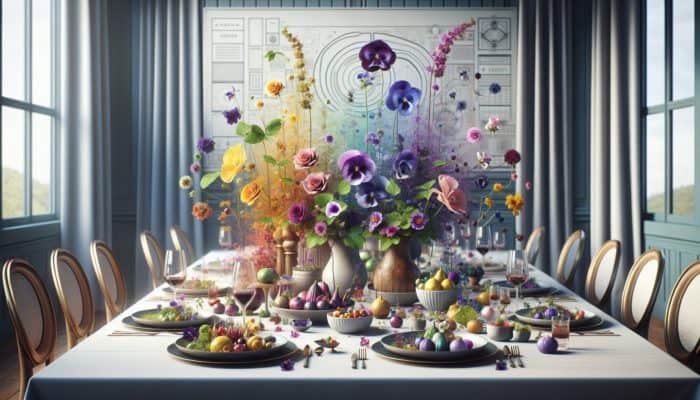
Diving into the enchanting realm of edible flowers can significantly enhance the presentation and overall appeal of your culinary creations. These beautiful blossoms are not only delightful to look at but also completely safe for consumption. They add a unique flavor and vibrant visual charm to various dishes. By incorporating these colorful blooms into your recipes, you create an explosion of colors and textures, along with sometimes surprising flavors that tantalize the palate. Beyond mere decoration, edible flowers engage multiple senses, transforming the dining experience into something truly immersive. With countless varieties available, both professional chefs and passionate home cooks can infuse edible flowers into their meals, turning ordinary dishes into extraordinary culinary masterpieces that are sure to impress anyone at the table.
The practice of integrating flowers into culinary traditions has a rich and diverse history across cultures worldwide. From the aromatic rose petals cherished in traditional Persian cuisine to the bright nasturtiums that grace modern Australian salads, edible flowers offer a vast array of flavors and colors. Their adaptability shines through as they serve as garnishes for salads, desserts, and beverages, fostering a creative culinary environment. Additionally, the enchanting visual appeal of these flowers greatly enhances the plating of dishes, making each serving not just a taste sensation but a visual delight as well.
Explore the Most Popular Edible Flower Varieties to Enrich Your Culinary Creations
Immersing yourself in the world of edible flowers reveals a treasure trove of options that can expand your culinary horizons. Among the most popular varieties are roses, known for their sweet aroma and delicate taste; violets, which lend a hint of sweetness; and nasturtiums, celebrated for their peppery flavor reminiscent of arugula. Each flower brings its own unique flavor profile and visual appeal, allowing chefs and home cooks alike to experiment and create dishes that are as visually stunning as they are delicious.
Other noteworthy edible flowers include chamomile, which offers a subtle apple-like flavor that enhances both teas and desserts, and lavender, renowned for its aromatic qualities that elevate both sweet and savory dishes. Hibiscus flowers are often brewed into refreshing drinks, while borage adds a cucumber-like taste and striking blue hue to salads. Understanding the distinct characteristics of each edible flower is essential, as selecting the right varieties can significantly influence the flavor profile of a dish, ultimately enhancing the entire dining experience.
How Can You Safely Identify Edible Flowers for Your Culinary Adventures?
Identifying which flowers are safe for consumption is crucial for both culinary success and personal safety. This vital process begins with understanding the origins of the plant, being aware of potential toxins, and utilizing accurate identification techniques. It's imperative to source edible flowers from reputable suppliers or grow them organically at home to ensure they are free from harmful pesticides and chemicals, thus protecting your culinary endeavors.
When determining the safety of edible flowers, certain key indicators can assist you. Brightly colored blooms typically indicate safety, while dull or grayish flowers may pose risks. For instance, flowers such as marigolds and calendula are non-toxic and entirely safe for consumption, while others, like foxglove or daffodils, are toxic and must be avoided at all costs. Familiarizing yourself with reliable resources, including identification guides and local plant workshops, can greatly enhance your ability to make informed decisions when selecting edible flowers for your culinary projects.
How to Use Edible Flowers Effectively for Stunning Garnishing?

Utilizing edible flowers to enhance the visual appeal of your dishes requires a variety of techniques, including thoughtful placement, pairing with complementary ingredients, and ensuring their freshness. When garnishing, it’s essential to consider the color contrast and the size of the flowers in relation to your dish. For example, larger, bold flowers can serve as eye-catching centerpieces, while smaller blossoms can be delicately sprinkled to add a refined touch.
Combining edible flowers with complementary flavors can amplify their impact on the dish. For instance, the peppery notes of nasturtiums pair wonderfully with creamy dressings, while sweet violets can elevate desserts to incredible heights. To maintain freshness, add flowers just before serving, ensuring they appear vibrant and enticing. Proper storage in a cool location is also crucial for preserving their quality. Remember, presentation is vital; a beautifully arranged plate not only captivates the eye but enriches the entire dining experience, creating memorable moments for all involved.
Discover the Health Benefits of Incorporating Edible Flowers into Your Diet
Exploring the nutritional benefits of edible flowers reveals that they provide more than just visual appeal; they significantly enhance a healthy diet. Many of these blossoms are rich in antioxidants, vitamins, and minerals, offering health advantages that go beyond mere decoration. For example, chamomile flowers are widely recognized for their calming properties, while dandelions are packed with essential vitamins A, C, and K. By incorporating these flowers into your meals, you can significantly boost your overall nutrition and well-being.
However, it’s essential to remain aware of potential allergies or dietary restrictions. Some people may have reactions to certain flowers, making it wise to conduct a patch test before trying new varieties. Additionally, moderation is key; enjoying edible flowers in appropriate amounts allows one to reap their benefits without adverse effects. Overall, adding edible flowers to your diet offers a unique combination of flavor and nutrition, making them a delightful enhancement to any culinary endeavor.
Essential Tips for Mastering the Art of Edible Flower Garnishing
How Do Culinary Professionals Choose the Perfect Edible Flowers?
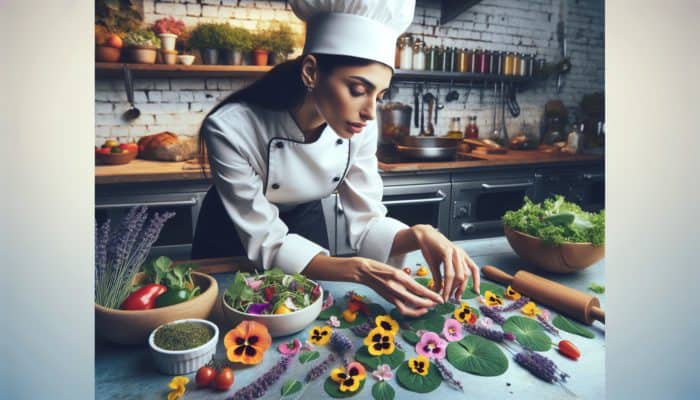
Professional chefs meticulously curate their selection of edible flowers based on various criteria, including flavor, aesthetic appeal, and safety. They consider the culinary context of each dish and the intended sensory experience when making their choices. For instance, a chef may select nasturtiums for their peppery flavor to complement a gourmet salad, while lavender may be chosen for desserts to impart a soothing fragrance and floral note. This careful selection process is essential for crafting dishes that tantalize the taste buds and create a harmonious dining experience.
Real-life examples abound in upscale dining venues, where chefs carefully curate their floral selections to enhance their menus. For example, in a modern fusion dish, a chef might combine microgreens with edible pansies, adding both texture and vibrant color. Moreover, considering the seasonal availability of flowers is crucial; in-season blooms typically provide superior flavor and are often more sustainable and cost-effective. Ultimately, the thoughtful selection of edible flowers plays a significant role in the success of a dish, ensuring diners have a delightful experience.
What Best Practices Should You Follow for Incorporating Edible Flowers into Your Cooking?
Implementing best practices for using edible flowers encompasses proper cleaning, storage, and harmonious pairing with dishes. It’s crucial to ensure that the flowers are free from pesticides and harvested at the right time to maintain quality. When preparing edible flowers, gently rinse them under cool water to remove any dirt or insects, avoiding soaking them, as this may cause the flowers to absorb excess moisture and lose their structural integrity.
Storage is equally important for preserving quality; wrapping flowers in a damp paper towel and placing them in an airtight container in the refrigerator can help maintain their freshness for several days. When pairing flowers with dishes, consider their flavor profiles for the best results. For instance, Rose petals beautifully enhance desserts, while chive blossoms can elevate savory dishes. Providing actionable steps for integrating edible flowers into your cooking not only maximizes their culinary potential but also inspires creativity and experimentation in the kitchen.
Where Can You Source High-Quality Edible Flowers for Your Culinary Creations?
Finding high-quality edible flowers can be achieved through specialty markets, online suppliers, or by growing them in your own garden. Ensuring that these flowers are organic and free from harmful chemicals is essential for both safety and flavor. Specialty markets often provide a diverse selection of fresh edible flowers, while online suppliers may offer unique varieties that aren’t readily available locally. Cultivating your own flowers at home is an excellent way to guarantee quality and freshness, allowing for experimentation with different types.
Experts recommend seeking suppliers that specialize in organic produce when sourcing edible flowers. Verifying certifications and reviewing customer feedback can aid in selecting reputable sources. Additionally, local farmers' markets often showcase vendors who grow edible flowers, providing a chance to inquire about their growing practices. By sourcing your flowers thoughtfully and responsibly, you can enhance your culinary experience while supporting sustainable agricultural practices.
Innovative Techniques for Creative Edible Flower Garnishing
Transform Your Salads with Edible Flowers for Enhanced Visual Appeal
Enhancing the visual allure of salads by incorporating edible flowers is an extraordinary way to elevate a simple dish into something remarkable. Flowers can be artfully sprinkled over the salad or arranged in intricate patterns that catch the eye. The interplay of colors and textures adds a new dimension to salads, making them more inviting and appetizing. Beyond their aesthetic contributions, edible flowers can also introduce unique flavors that harmonize beautifully with other ingredients.
The benefits of adding flowers to salads are numerous, including:
- Improved visual presentation, making the dish significantly more attractive.
- Introduction of new flavors that enrich the overall taste profile.
- Increased nutritional value, infusing the dish with essential vitamins and antioxidants.
- Seasonal variety that allows for creative expression and adaptability in meal preparation.
Incorporating edible flowers such as pansies, nasturtiums, and dandelions can create vibrant salads that not only delight the palate but also please the eye. Experimenting with various combinations of flowers inspires creativity, resulting in signature salads that reflect personal styles and flavor preferences.
Infuse Your Beverages with Edible Flowers for a Unique Twist
Elevating beverages by incorporating edible flowers creates a memorable and sophisticated drinking experience. This technique can be applied to teas, cocktails, and even water, providing a refreshing twist. For instance, hibiscus flowers can be steeped in hot water to create a tangy and vibrant tea, while lavender can be infused into simple syrups for cocktails. These floral infusions not only enhance flavor but also add a visually striking element, transforming everyday drinks into extraordinary concoctions.
Some of the best flowers for various beverages include:
- Lavender is beloved for its aromatic qualities in cocktails and teas.
- Hibiscus delivers a tangy and refreshing punch in drinks.
- Rose petals impart a fragrant note to cocktails.
- Borage offers a cucumber-like taste that enhances summer beverages.
By understanding the unique characteristics of each flower, one can craft harmonious flavor profiles in drinks. Infusing beverages with edible flowers not only provides visual pleasure but also encourages creativity through various flavor combinations, resulting in unique and delightful drinking experiences that captivate the senses.
Baking with Edible Flowers for Distinctive Flavors
Integrating edible flowers into baked goods yields exceptional and visually striking results, making desserts as appealing as they are delicious. Flowers can be added to cakes, cookies, and pastries, contributing both flavor and decorative beauty. For example, adding violets to a vanilla cake can introduce a subtle floral note, while chamomile can be included in shortbread cookies, providing a delightful twist that surprises the palate.
To preserve the color and flavor of flowers during baking, it's essential to consider the timing and method of incorporation. Adding flowers towards the end of baking or using them as a topping after cooling can help maintain their vibrant hues. Additionally, bakers may need to adjust baking times to achieve the desired results without compromising the integrity of the flowers. Experimenting with different flower varieties encourages bakers to create signature recipes that burst with creativity and flavor, transforming desserts into true works of art.
Understanding the Health Benefits of Edible Flower Garnishes
What Nutritional Value Do Edible Flowers Offer?
Many edible flowers are rich in essential vitamins, minerals, and antioxidants, making them a valuable addition to a balanced diet. For instance, nasturtiums are loaded with vitamin C, while marigolds provide carotenoids that promote skin health. Consuming these flowers not only enhances the flavor and visual appeal of dishes but also contributes positively to overall nutrition and wellness.
Including edible flowers in your meals can offer various health benefits, such as boosting the immune system, aiding digestion, and reducing inflammation. Additionally, flowers like dandelions are recognized for their detoxifying properties, benefiting liver health. By incorporating these nutrient-rich blossoms into daily meals, individuals can enrich their diets while enjoying the culinary creativity that edible flowers provide.
What Medicinal Benefits Are Associated with Edible Flowers?
Some edible flowers have been utilized for centuries for their medicinal properties, demonstrating their value beyond mere decoration. These flowers can aid digestion, reduce inflammation, and promote overall wellness. For example, chamomile is well-known for its calming effects, making it a popular choice for alleviating anxiety and enhancing sleep quality. Similarly, lavender is recognized for its stress-relieving qualities and mood enhancement, making it a staple in many herbal remedies.
Notable medicinal benefits associated with edible flowers include:
- Chamomile for its calming effects and digestive support.
- Hibiscus for its ability to lower blood pressure and promote heart health.
- Echinacea for its role in bolstering the immune system.
- Lavender for its stress-reducing properties and relaxation promotion.
By incorporating these flowers into daily diets, individuals can experience holistic health benefits that align culinary enjoyment with wellness goals. As awareness of the medicinal properties of edible flowers grows, their use in both cooking and herbal remedies continues to thrive, enriching lives on multiple levels.
How Can You Maximize the Health Benefits of Edible Flowers?
To fully appreciate the health benefits of edible flowers, it is advisable to consume them fresh and in moderation. Fresh flowers typically retain more nutrients and flavor, making them ideal for garnishing and enhancing dishes. Pairing them with other nutritious foods can amplify their health benefits; for instance, adding rose petals to a smoothie not only enhances its visual appeal but also provides additional vitamins and antioxidants.
Incorporating edible flowers into salads, beverages, and desserts allows for creative combinations that promote health and wellness. It is wise to research specific flowers to understand their unique benefits and any potential interactions with medications. By consciously including edible flowers in your meals, you can enjoy both the culinary and health advantages they offer, leading to a vibrant and wholesome diet filled with flavor and beauty.
Proven Strategies for Exceptional Edible Flower Garnishes
How to Store Edible Flowers for Optimal Freshness?
Effective storage techniques are vital for preserving the freshness and flavor of edible flowers. Methods such as refrigeration, freezing, and drying can help maintain their quality for longer periods. For short-term storage, placing flowers in a damp paper towel and storing them in an airtight container in the refrigerator can help keep them fresh for several days, preventing wilting and ensuring they remain visually appealing.
For long-term preservation, freezing edible flowers is an efficient strategy. Gently wash and dry the flowers, then place them in ice cube trays filled with water or syrup, preserving their color while creating beautiful ice cubes for drinks. Drying flowers is another viable option; this can be achieved by hanging them upside down in a cool, dark area. Once dried, they can be stored in airtight containers for use in teas or as flavorful enhancements in baked creations.
Essential Steps for Preparing Edible Flowers for Culinary Use
Preparing edible flowers involves several steps to ensure they are safe and ready for use. Begin by gently rinsing the flowers under cool water to remove any dirt or insects, taking care to avoid soaking them, as this can damage their delicate structures. After rinsing, it’s important to remove any stamens and pistils, as these can impart bitterness or provoke allergic reactions.
Cutting the flowers to the desired size is crucial for effective presentation; larger blooms can be left whole for a dramatic impact, while smaller flowers can be artfully scattered throughout the dish for elegance. Some edible flowers, such as dandelions, may require additional preparation, including blanching or the removal of bitter parts. By taking the time to prepare flowers properly, you can enhance both the visual appeal and flavor of your culinary creations, making them even more enjoyable.
Pairing Edible Flowers with a Variety of Culinary Styles
Edible flowers can complement a wide range of cuisines, from savory to sweet, making them incredibly versatile in culinary applications. Understanding flavor profiles is essential for making appropriate pairings. For instance, rose petals beautifully enhance Middle Eastern dishes, imparting a fragrant touch to rice dishes and desserts, while chive blossoms can enrich the flavors of creamy dips and salads.
Pairing edible flowers with different dishes involves recognizing their unique attributes. Nasturtiums, for example, are excellent for salads, offering a peppery bite that adds depth and character. In contrast, lavender can elevate pastries and desserts, creating a soothing aroma that pairs well with sweet flavors. Through experimentation with various combinations, one can discover exciting and unexpected pairings that enhance the overall culinary experience, making meals truly memorable.
Selecting the Right Edible Flowers for Stunning Garnishing
Choosing edible flowers based on their color, flavor, and texture is crucial for creating stunning garnishes that elevate dishes. When selecting flowers for garnish, it’s important to consider the color scheme of the dish. Bright, vibrant flowers like pansies or marigolds can create a striking visual impact against a neutral backdrop. Flavor considerations are equally important; opting for flowers like chive blossoms or nasturtiums can introduce complementary tastes that enrich the overall dish.
Understanding which flowers are best suited for different types of garnishes is vital for effective presentation. For example, larger blooms can serve effectively as focal points in centerpieces, while smaller flowers can be artfully scattered for an elegant touch. Selecting the right flowers involves balancing aesthetics with flavor, ultimately resulting in beautifully garnished plates that delight both the eye and the palate, enhancing the overall dining experience.
Emerging Trends and Innovations in Edible Flower Garnishing
What Are the Latest Trends in the Use of Edible Flowers?
Keeping up with the latest trends in the culinary application of edible flowers reveals a vibrant landscape of creativity and innovation. Both chefs and home cooks are experimenting with new flavor combinations and presentation techniques that challenge traditional culinary norms. For example, the trend of incorporating flowers into cocktails has gained popularity, with bartenders utilizing blossoms like elderflower and hibiscus to craft unique, visually stunning drinks that impress patrons.
Additionally, the trend towards floral-infused desserts is on the rise. Chefs are creatively blending floral flavors with classic sweets, resulting in desserts that boast exquisite taste and breathtaking presentations. The use of edible flowers in savory dishes is also gaining recognition, as chefs explore unexpected combinations that defy conventional culinary boundaries. As the movement towards local sourcing and sustainability continues to thrive, more chefs are cultivating their own edible flowers, ensuring the utmost freshness and quality in their offerings.
What Innovative Products Featuring Edible Flowers Are Emerging?
A variety of innovative products incorporating edible flowers has emerged, offering convenient methods to integrate floral elements into culinary creations. Examples include flavored salts infused with lavender and syrups made from hibiscus, providing chefs and home cooks with simple solutions for enhancing flavor profiles. Edible flower-infused oils are also becoming increasingly popular, allowing for a splash of floral essence in dressings, marinades, and sauces.
These products not only facilitate the integration of edible flowers into meals but also open exciting new avenues for culinary creativity. For instance, a drizzle of lavender-infused oil can elevate a dish, introducing aromatic notes that beautifully complement various flavor profiles. The trend towards artisanal edible flower products is likely to continue, providing enticing options for those looking to expand their culinary repertoire with unique and delicious flavors.
How Are Chefs Pushing Boundaries with Edible Flowers in Their Dishes?
Chefs are continually pushing the boundaries with edible flowers, exploring innovative techniques and unexpected flavor pairings. The emergence of molecular gastronomy has enabled chefs to experiment with textures and presentations, incorporating flowers in new forms such as gels, foams, and powders. These techniques showcase the aesthetic potential of edible flowers while emphasizing their versatility in modern cuisine.
Fusion cuisine represents another exciting area where edible flowers are gaining prominence. Chefs creatively combine traditional dishes with floral elements from diverse cultures, resulting in thrilling new flavor profiles. For instance, a classic Italian risotto could be elevated with borage flowers, adding a refreshing twist that surprises and delights the palate. As culinary boundaries continue to blur, chefs are embracing edible flowers as essential ingredients, transforming their approach to flavor and presentation in their culinary creations.
Frequently Asked Questions About Edible Flowers
What Should I Consider When Using Edible Flowers in Cooking?
When incorporating edible flowers into your cooking, consider their flavor, potential allergens, and whether they have been treated with pesticides. Always source flowers from reputable suppliers or grow them organically at home to ensure safety.
Can I Eat Flowers from My Garden?
Not all flowers in gardens are safe for consumption. It’s essential to accurately identify any flowers you plan to consume and confirm their edibility beforehand. It’s best to only eat flowers that are known to be safe and free from chemicals or pesticides.
How Can I Incorporate Edible Flowers into My Dishes?
Edible flowers can be used in salads, beverages, desserts, and as garnishes. Experimenting with different types allows you to discover pairings that beautifully complement your dishes, enhancing both flavor and visual appeal.
Are There Any Safety Concerns Associated with Edible Flowers?
Yes, some flowers may be toxic or trigger allergic reactions. Always ensure that the flowers you use are safe for consumption and sourced from trusted suppliers to avoid any health risks.
What Are Some Common Edible Flowers?
Common varieties of edible flowers include roses, violets, nasturtiums, lavender, and hibiscus. Each of these flowers provides unique flavors and visual appeal, making them excellent choices for enhancing diverse dishes.
How Should I Store Edible Flowers?
To store edible flowers effectively, wrap them in a damp paper towel and place them in an airtight container in the refrigerator. This method helps maintain their freshness for several days, allowing you to enjoy their beauty and flavor.
Can I Use Dried Edible Flowers in Cooking?
Yes, dried edible flowers can be incorporated into cooking, but they may possess a more concentrated flavor. They work well in teas, infusions, or as flavor enhancers in baked goods.
What Are the Health Benefits of Edible Flowers?
Many edible flowers are rich in essential vitamins, minerals, and antioxidants. They can aid digestion, boost the immune system, and offer anti-inflammatory properties, contributing positively to overall health.
How Do I Prepare Edible Flowers for Cooking?
To prepare edible flowers for cooking, gently rinse them to remove dirt, discard any inedible parts like stamens, and cut them to the desired size for garnishing or incorporating into dishes.
Is It Safe to Use Flowers Purchased From Florists?
Flowers sourced from florists often undergo treatments with chemicals that may not be safe for consumption. Always check for edible certifications or opt for organic sources to ensure safety.
Stay updated with our latest news on Facebook!
The post Top Ideas for Edible Flower Garnishes: Enhance Your Dishes appeared first on https://cookinggods.com
The Article Edible Flower Garnishes: Creative Ways to Elevate Your Dishes Was Found On https://limitsofstrategy.com
The Article Edible Flower Garnishes to Enhance Your Culinary Creations First Appeared ON
: https://ad4sc.com
No responses yet