Essential Ingredients for Creating an Impressive Seafood Paella Experience
How to Select the Finest Seafood Varieties for Your Paella Delight
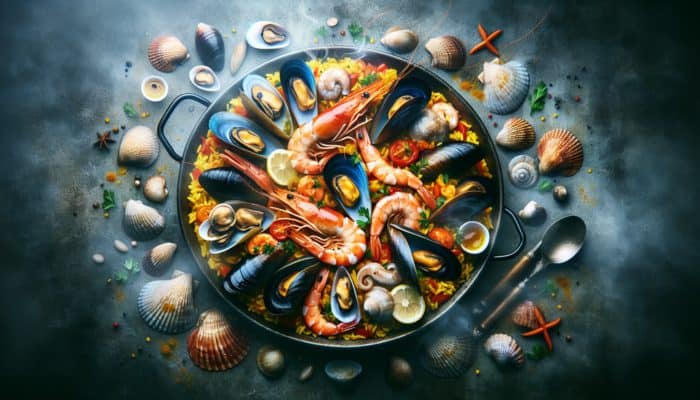
The adventure of perfecting a seafood paella starts with the meticulous selection of the freshest and most flavorful seafood varieties. A thoughtfully chosen assortment of high-quality seafood is essential for enhancing the taste and enjoyment of your dish. Emphasizing freshness is key; sourcing your seafood from local markets or trusted suppliers ensures the best flavor and texture. A traditional paella should feature a harmonious blend of fish and shellfish. Picture incorporating tender shrimp, mussels, clams, and calamari to create depth and variety in your culinary creation. Adding delicate white fish such as hake or cod not only enriches the dish but also allows it to beautifully absorb the robust flavors of the broth.
When choosing your seafood, sustainability should be a vital consideration. Opting for responsibly sourced products not only benefits the environment but also enhances the quality of your culinary creation. In coastal regions worldwide, especially in the Mediterranean, you may find local seafood options that infuse your paella with authentic regional flavors. To elevate your dish, contemplate adding luxurious ingredients like scallops or lobster; these exquisite additions can transform your paella into a dish fit for special occasions.
What Are the Most Suitable Rice Varieties and Cooking Techniques for Perfect Paella?
The choice of rice plays a pivotal role in achieving the perfect texture for your paella. Short-grain rice options, specifically Bomba or Calasparra, are highly favored due to their exceptional ability to absorb flavors, allowing them to soak up the rich broth while maintaining a delightful al dente consistency. Prior to cooking, it is advisable to rinse the rice under cold water; this practice eliminates excess starch, which could otherwise result in a sticky final dish.
The technique used to cook the rice is equally important. A typical ratio of 2.5 parts liquid to 1 part rice is generally recommended, though this may vary slightly based on specific recipes and ingredients. Once the rice is added, it should cook undisturbed, as stirring can release starch that impacts the desired texture. Letting the rice rest for a few minutes post-cooking further enhances its texture and flavor.
How to Enhance the Flavors of Your Paella with Spices and Seasonings?
The complex flavor profile of paella is heavily influenced by the spices and seasonings you select. Saffron, celebrated for its unique aroma and vibrant golden hue, is a fundamental ingredient that adds both color and a distinctive taste. This precious spice should be steeped in warm broth prior to being mixed with the rice, ensuring that its flavors permeate the dish thoroughly.
Another essential seasoning is smoked paprika, which contributes depth and a subtle smokiness that pairs beautifully with seafood. In addition to these primary spices, other ingredients like garlic, onion, and parsley create a solid flavor foundation. A sprinkle of freshly cracked black pepper can elevate the overall taste. Additionally, consider incorporating herbs like thyme or bay leaves for added complexity. It's crucial to strike the right balance with these flavors; an excess of saffron can overpower the dish, while too little may result in a lackluster paella.
Choosing the Ideal Stock and Broth to Maximize Flavor

The liquid element in paella is crucial for infusing flavors throughout the dish. While seafood stock or fish stock is the traditional choice, alternatives like chicken broth or vegetable broth can be utilized if seafood stock is unavailable. Homemade stock is always the preferred option, as it provides a depth of flavor that store-bought versions often lack.
When preparing your broth, consider incorporating aromatic ingredients such as leeks, carrots, and celery to enhance its flavor. These additions not only enrich the base but also contribute to a more comprehensive flavor experience. If opting for store-bought broth, selecting low-sodium varieties allows for better control over seasoning during cooking. A vital tip is to keep the broth hot while cooking the paella, as this helps maintain the cooking temperature and prevents the rice from becoming overly soft.
What Vegetables and Aromatics Are Essential for Your Paella?
Vegetables play a significant role in paella, providing both visual appeal and nutritional benefits. Common choices include bell peppers, peas, green beans, and tomatoes, each contributing unique flavors and textures to the dish. When sautéed, bell peppers impart a gentle sweetness that balances the overall profile, while peas add a vibrant green touch.
Aromatics like onions and garlic create the flavorful foundation of the paella. Sautéing these ingredients in olive oil before introducing the rice creates a fragrant backdrop for the dish. Furthermore, consider incorporating seasonal vegetables or local specialties to enhance authenticity. For example, in certain Mediterranean regions, artichokes or even snails might be featured prominently. Thoughtful selection and preparation of these vegetables can transform your seafood paella from a simple meal into a visually stunning and flavor-packed experience.
Mastering the Techniques to Perfect Your Paella Cooking
How to Properly Layer Ingredients for Maximum Flavor in Your Paella?
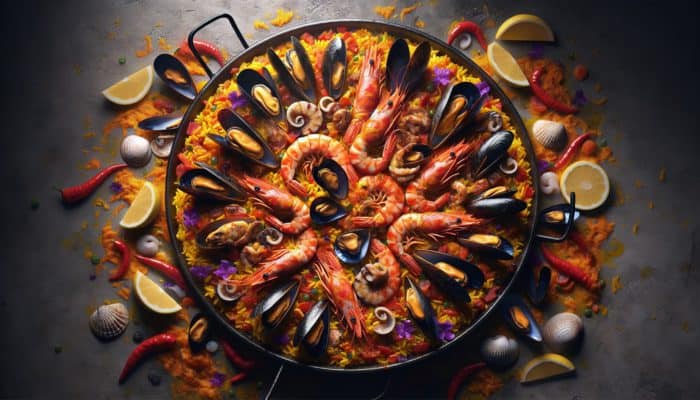
To achieve the ultimate flavor and texture in paella, it's essential to layer the ingredients properly. Start with a well-prepared sofrito, a combination of sautéed garlic, onions, and peppers that forms a rich flavor base. This mixture should be cooked until it becomes soft and aromatic, which typically takes several minutes.
Once your sofrito is ready, add the rice, ensuring it is evenly coated in the flavorful oil. Next, pour in the hot broth infused with saffron, allowing the rice to absorb the liquid gradually. Arrange the seafood on top of the rice in an aesthetically pleasing manner rather than stirring it in, ensuring even cooking while preserving the integrity of the seafood.
Key steps for effectively layering ingredients include:
- Prepare the sofrito as your flavor base.
- Coat the rice thoroughly in the sofrito.
- Add hot broth infused with spices.
- Arrange seafood on top without stirring.
- Allow the paella to cook undisturbed.
- Monitor liquid absorption and adjust heat as necessary.
This method guarantees that each ingredient contributes its unique flavor to the dish, while allowing the rice to develop the coveted socarrat.
How to Achieve the Coveted Socarrat in Your Paella?
The socarrat is the highly desired crispy rice layer that develops at the bottom of a well-cooked paella. Achieving this delightful texture requires precise control of heat and timing. Once the liquid has been absorbed and the rice is nearly cooked through, briefly increase the heat to create a sizzling environment at the bottom of the pan, which encourages the formation of socarrat.
After a few minutes of high heat, lower the heat to finish cooking. It’s essential not to stir during this stage, as doing so will disrupt the formation of socarrat. The ideal socarrat should be golden brown, aromatic, and slightly crunchy, offering a delightful contrast to the tender rice and succulent seafood above. To ensure success, listen for a faint crackling sound, indicating that the rice is toasting at the bottom.
What Common Pitfalls Should You Avoid When Making Paella?
Creating paella may seem challenging, but avoiding common mistakes is crucial for achieving success. One frequent error is overcooking the seafood. It's essential to add shellfish and fish towards the end of the cooking process, giving them just enough time to steam and cook through without becoming rubbery. Another common mistake is stirring the rice after it has been added to the pan; this disrupts the cooking process and can prevent the socarrat from forming.
Utilizing a wide, shallow pan is vital for even cooking, as it allows the rice to spread out and absorb the broth efficiently. Ensure that the heat is consistent throughout. If using a home stove, consider rotating the pan to promote even cooking.
Common pitfalls to avoid include:
- Overcooking the seafood by adding it too early.
- Stirring the rice after adding broth.
- Using a pan that is too deep.
- Not closely monitoring liquid absorption.
- Neglecting to let the paella rest before serving.
By being mindful of these tips, you will be well on your way to crafting a successful and delicious seafood paella.
What Rice Varieties Are Optimal for Creating Exceptional Paella?
Choosing the right rice variety is essential for crafting an outstanding seafood paella. Bomba and Calasparra rice stand out as the best choices due to their unique characteristics. Bomba rice, originating from Spain, possesses an extraordinary ability to absorb liquid without becoming mushy, a quality that is vital for achieving the perfect paella texture. Conversely, Calasparra rice is also Spanish and is renowned for its flavor and texture, making it another excellent option.
When selecting rice, opt for high-quality grains specifically marketed for paella or risotto. Steer clear of long-grain varieties, as they lack the necessary absorption capabilities and can lead to a less cohesive dish. Proper preparation of the rice, including rinsing to eliminate excess starch, significantly enhances its cooking potential.
How to Ensure the Perfect Balance of Liquids and Seasonings in Your Paella?
Finding the ideal balance of liquids and seasonings is crucial for creating a delicious seafood paella. The preferred liquid-to-rice ratio is approximately 2.5 parts liquid to 1 part rice, ensuring that the rice absorbs ample flavor without becoming overly saturated.
While preparing your broth, consider the intensity of flavors you wish to achieve. If you’re using homemade stock, you can control the salt content, which is vital since the rice will absorb these flavors. Incorporate saffron judiciously; while it adds a unique taste and color, too much can overwhelm the dish.
Ultimately, achieving balance requires continuous tasting and adjusting throughout the cooking process. As the paella cooks, monitor the liquid levels to ensure that the flavors meld beautifully, resulting in a rich, aromatic dish that captivates the palate.
Effective Strategies for Creating the Perfect Seafood Paella for Large Gatherings
Real-Life Success Stories of Memorable Paella Events
Hosting a successful paella event can be both rewarding and enjoyable. Learning from real-life experiences can inspire your own gatherings. Organizing large-scale paella events, such as community festivals or family reunions, showcases the dish's ability to serve many while fostering a communal atmosphere. A prime example is the annual Paella Festival held in various cities worldwide, where chefs compete to create the best paella and guests savor a diverse array of flavors.
When planning a paella gathering, it is crucial to scale your recipes appropriately to accommodate the number of guests. Considerations include the size of your paella pan and the cooking equipment available. Stocking up on high-quality ingredients is essential, as is ensuring you have sufficient utensils and plates for serving.
Here are valuable tips for hosting a successful paella event:
- Select a paella pan of appropriate size for the number of guests.
- Prepare ingredients in advance to streamline the cooking process.
- Incorporate a variety of seafood to create diverse flavor profiles.
- Establish a comfortable serving area for guests to enjoy their meal.
Creating a festive atmosphere with music and decorations can further enhance the experience, making it memorable for all attendees.
What Are the Key Steps for Scaling Recipes for Large Gatherings?
Scaling recipes for large gatherings necessitates meticulous planning and execution. Begin by determining the number of guests you plan to serve, then calculate the necessary quantities of each ingredient proportionally. For example, if a standard recipe serves four and you have 20 guests, multiply each ingredient by five.
When preparing for large crowds, consider utilizing multiple pans to ensure even cooking and temperature distribution. This approach allows for better heat distribution and reduces the risk of overcooking. If you’re using a single large pan, it’s crucial to monitor the cooking process closely, as heat may not distribute evenly.
Here are actionable steps for effectively scaling recipes:
- Determine guest count and adjust ingredient quantities accordingly.
- Use multiple pans for better heat distribution.
- Adjust cooking times based on the size of the preparation.
- Consider logistics for serving and keeping the paella warm.
Being proactive in your planning will allow you to enjoy the cooking process and deliver a delicious seafood paella experience for your guests.
Expert Insights on Flavor Combinations in Paella
Crafting a seafood paella is as much about the flavor combinations as it is about technique. Balancing the natural sweetness of fresh seafood with the smokiness of smoked paprika and the earthy notes of saffron is essential for creating a harmonious dish. Each ingredient must work together, forming a symphony of flavors that complement one another.
Consider the importance of balance when it comes to flavor. For instance, adding a splash of white wine or a hint of citrus, such as lemon or orange zest, can brighten the dish and enhance the seafood's natural sweetness.
Expert insights on flavor combinations include:
- Balance the sweetness of seafood with the smokiness of paprika.
- Add acidity with citrus for a fresh touch.
- Incorporate fresh herbs for brightness.
- Experiment with toppings like aioli for added richness.
These thoughtful combinations not only enhance the overall flavor profile but also create a dining experience that excites the palate and encourages guests to savor every bite.
What Equipment Is Essential for Cooking Paella for Large Groups?
Cooking paella for a crowd requires the right equipment to ensure success. Large paella pans are essential, typically available in sizes ranging from 30cm to an impressive 120cm in diameter, depending on the number of servings needed. A portable burner or outdoor grill is also recommended to provide consistent heat across the pan's wide surface area.
Investing in high-quality utensils, such as large wooden spatulas or ladles, ensures you can mix ingredients without damaging the rice. Thermometers can be useful for monitoring cooking temperatures, ensuring everything is cooked to perfection.
When planning your equipment needs, consider:
- Selecting a paella pan size based on guest count.
- Choosing the type of heat source (portable burner or grill).
- Investing in high-quality utensils for mixing and serving.
- Setting up portable tables for prep and serving space.
Equipping yourself with the right tools helps streamline the cooking process, allowing you to concentrate on creating a delicious paella that delights your guests.
How to Manage Your Time Efficiently for Successful Paella Preparation?
Effective time management is crucial for a smooth paella preparation process, especially when catering to large groups. Start by creating a detailed timeline that encompasses every stage, from shopping and ingredient preparation to cooking and serving.
Begin your shopping at least a day in advance to ensure all ingredients are fresh and ready to go. On the day of the event, allocate specific times for preparing the sofrito, cooking the rice, and adding the seafood. Keeping an eye on timing allows you to coordinate serving and ensures everything is at its best when guests are ready to eat.
Here are valuable strategies for effective time management:
- Create a timeline for shopping, prepping, and cooking.
- Prep ingredients beforehand to save time on the day.
- Organize your cooking space for efficiency.
- Involve helpers for tasks like stirring or plating.
An organized approach will help you enjoy the cooking process while ensuring that your paella is served fresh and hot, creating a memorable dining experience for everyone involved.
What Are the Advantages of Serving Paella at Gatherings?
The Community Spirit of Sharing Paella with Guests
Paella transcends being just a meal; it represents a communal experience that encourages interaction and sharing among guests. The collective nature of serving paella fosters a sense of community and enjoyment, making it an ideal choice for gatherings and social events. Guests can gather around the paella pan, share stories, and serve themselves, creating a lively and convivial atmosphere.
The act of sharing food is deeply rooted in cultural traditions worldwide, and paella beautifully embodies this spirit. Whether you're hosting a backyard barbecue, a family reunion, or a festive gathering, paella invites guests to interact and create memories together, enhancing the overall experience.
What makes paella a fantastic choice for social events?
- Encourages interaction among guests.
- Promotes a sense of community and togetherness.
- Allows for sharing and storytelling around the dish.
- Creates a visually appealing dining focal point.
By serving paella, you cultivate an inviting environment that fosters laughter and conversation, making your event truly unforgettable.
How Does the Versatility of Paella Benefit Various Occasions?
The versatility of paella makes it a superb choice for a wide range of occasions, from casual get-togethers to more formal events. This adaptability allows you to customize dishes to suit the preferences and dietary restrictions of your guests.
Paella can be easily modified to accommodate different tastes, whether you focus on seafood, incorporate meats, or create vegetarian options. This flexibility makes it suitable for various gatherings, including birthdays, weddings, and community festivals.
Consider the following aspects that contribute to paella's versatility:
- Customizable ingredient options for varied tastes.
- Adaptable for both casual and formal settings.
- Ability to cater to dietary preferences.
- Can be prepared in large batches for communal dining.
This flexibility not only makes it a popular choice among hosts but also ensures that guests from all backgrounds feel included in the dining experience.
What Are the Nutritional Advantages of Seafood Paella?
Seafood paella offers numerous nutritional benefits, especially when prepared with fresh ingredients. The seafood component provides high-quality protein essential for muscle growth and repair. Rich in omega-3 fatty acids, seafood positively influences heart health and cognitive function.
Incorporating a variety of vegetables adds vital vitamins and minerals, enhancing the overall nutritional profile. When prepared thoughtfully, paella can be a healthy option, particularly when using minimal oil and opting for whole ingredients.
Key nutritional benefits of seafood paella include:
- High-quality protein sourced from seafood.
- Rich in omega-3 fatty acids, beneficial for heart health.
- Vitamins and minerals from assorted vegetables.
- Potential for a balanced meal when paired with wholesome sides.
Focusing on fresh, quality ingredients not only makes your paella delicious but also ensures it is a nutritious option for your guests to enjoy.
How to Pair Paella with Beverages and Sides for a Complete Dining Experience?
What Is the Perfect Wine to Complement Your Paella?
Selecting the appropriate wine to accompany paella can significantly enhance the overall dining experience. A crisp white wine such as Albariño or Verdejo pairs excellently with seafood paella, as the acidity balances the richness of the dish. Light reds like Garnacha can also be a superb match, especially when meat components are included.
When choosing a wine, consider the overall flavor profile of your paella. Wines with floral notes can elevate the dish's aromatic qualities, while those with a hint of minerality can add depth to the seafood's natural flavors.
For your guests, consider recommending:
- Albariño for its crispness and acidity.
- Verdejo as a refreshing white option.
- Garnacha for light red wine enthusiasts.
- Prosecco for a bubbly alternative that adds festivity.
These selections will not only enhance the meal but also create an engaging experience that pairs beautifully with the flavors of the paella.
Which Side Dishes Perfectly Complement Your Paella Meal?
Enhancing paella with the right side dishes enriches the overall dining experience. Side dishes should be simple yet flavorful, allowing the paella to remain the centerpiece of the meal. A fresh green salad with lemon vinaigrette provides a refreshing contrast, while crusty bread is ideal for soaking up the delicious broth.
Other options could include grilled vegetables, which add color and additional nutrients. For a more traditional touch, Spanish tortillas or patatas bravas can serve as delightful accompaniments.
Consider these side dishes to elevate your paella:
- Green salad with a light vinaigrette.
- Crusty bread for soaking up broth.
- Grilled vegetables for added color.
- Spanish tortillas as a classic side.
These thoughtfully chosen sides not only enhance the meal but also create a more enjoyable dining experience for your guests.
What Are the Best Non-Alcoholic Beverages to Pair with Paella?
For guests who prefer non-alcoholic beverages, numerous refreshing options can beautifully complement paella. Sparkling water with a twist of lemon adds a zesty touch, balancing the rich flavors of the dish. Alternatively, a refreshing fruit punch can provide sweetness and vibrancy, making it a festive choice for larger gatherings.
You might also consider serving non-alcoholic mocktails, which can elevate the overall experience without alcohol. Flavors such as mint, ginger, or berries can offer a delightful contrast to the seafood paella while keeping everyone refreshed.
Here are some non-alcoholic beverage options to consider:
- Sparkling water with lemon or lime.
- Fruit punch for a festive touch.
- Herbal iced teas as a refreshing alternative.
- Mocktails featuring seasonal fruits and herbs.
Offering a variety of non-alcoholic options ensures that all guests feel included in the dining experience, regardless of their beverage preferences.
Proven Strategies for Crafting the Perfect Seafood Paella for Large Gatherings
How to Effectively Plan and Prepare for a Paella Event?
<pEffective planning and preparation are essential for a successful paella event, especially when serving large crowds. Start by developing a comprehensive plan that outlines each step, from shopping for ingredients to cooking and serving. This foresight not only alleviates stress but also guarantees a smoother cooking process.
Begin by creating a shopping list that includes all ingredients, ensuring you have sufficient quantities for your expected guest count. Preparing ingredients the day before can save valuable time. Chopping vegetables, marinating seafood, and measuring rice will streamline the cooking process.
Helpful planning tips include:
- Create a comprehensive shopping list.
- Prep ingredients the day before.
- Assign tasks to helpers for efficiency.
- Set up clear communication to minimize confusion.
This level of preparation allows you to focus on cooking and enjoying the gathering, rather than frantically searching for misplaced ingredients or tools.
What Strategies Help Manage Cooking Time and Equipment Effectively?
Efficiently managing cooking time and equipment is crucial when preparing paella for a crowd. If possible, use multiple burners or outdoor grills to accommodate larger pans and distribute heat evenly. This approach allows for better temperature control and can expedite the cooking process.
Timing is everything; keep a close eye on the cooking stages to ensure all ingredients are prepared simultaneously. This coordination will enable you to serve the paella at its peak of freshness and flavor.
Strategies for managing cookware include utilizing multiple burners or grills for efficiency:
- Monitor cooking stages closely to avoid overcooking.
- Prepare a timeline for cooking tasks.
- Coordinate with helpers to streamline the process.
Adopting these strategies helps ensure a successful cooking experience, allowing you to focus on delivering a delicious paella.
How to Ensure Food Safety and Quality When Making Paella?
Maintaining food safety and quality is paramount when preparing seafood paella. Start by ensuring that all seafood is kept refrigerated until just before cooking to prevent spoilage. Fresh ingredients not only enhance flavor but also reduce the risk of foodborne illness.
Monitor cooking temperatures closely to ensure that seafood reaches the appropriate internal temperature for safe consumption. Utensils and surfaces should be clean and free from cross-contamination, particularly when handling raw seafood.
Key food safety strategies include:
- Keep seafood refrigerated until ready to cook.
- Ensure all ingredients are fresh and of high quality.
- Monitor cooking temperatures to guarantee food safety.
- Maintain clean utensils and surfaces throughout the preparation process.
Taking these precautions will not only elevate the quality of your paella but also ensure a safe and enjoyable dining experience for you and your guests.
How to Customize Paella for Dietary Preferences?
What Are the Ideal Substitutions for Vegetarian Diets in Paella?
Customizing paella to cater to vegetarian and vegan diets is entirely feasible and allows for creative substitutions. For vegetarian options, consider replacing seafood with a variety of vegetables, such as mushrooms, zucchini, and artichokes. For a heartier texture, tofu can be marinated and added for protein.
When preparing a vegan version, ensure you use vegetable broth instead of seafood stock. Infusing the dish with a medley of herbs and spices can maintain the depth of flavor typically associated with traditional paella.
Plant-based alternatives for seafood in paella include:
- Mushrooms for a meaty texture.
- Tofu for protein addition.
- Artichokes for a unique flavor.
- A variety of seasonal vegetables for freshness.
This adaptability not only makes paella inclusive but also opens up new flavor profiles for all your guests to enjoy.
What Considerations Should You Keep in Mind for Gluten-Free and Allergen-Conscious Guests?
For guests with gluten sensitivities or other dietary restrictions, ensuring that all ingredients are safe is crucial. Start by sourcing gluten-free broth, as many commercial broths may contain gluten. Additionally, avoid cross-contamination, particularly when handling seafood and other allergens.
When selecting ingredients, always read labels carefully. Fresh, whole ingredients are typically the best choice, as they are less likely to contain hidden allergens. Open communication with your guests about the ingredients used ensures everyone can enjoy the meal without concern.
Considerations for gluten-free and allergen-conscious guests include:
- Sourcing gluten-free broth and ingredients.
- Avoiding cross-contamination during preparation.
- Communicating openly about dish ingredients.
- Using minimally processed whole foods to minimize allergen risk.
Taking these precautions allows you to create a safe and enjoyable dining experience for all guests, regardless of dietary needs.
How to Balance Flavors for Dietary Restrictions in Paella?
Customizing flavors when adapting paella to accommodate dietary restrictions can be a delightful challenge. When substituting traditional seafood or meats, consider using a mix of spices and herbs to maintain depth and richness.
For vegetarian or vegan paellas, incorporating robust flavors is key. Use smoked paprika, saffron, and fresh herbs to add complexity to the dish. Experimenting with different vegetables can also introduce new flavors, ensuring the dish remains vibrant and hearty.
Strategies for utilizing flavors include using spices liberally to enhance taste:
- Incorporating rich, seasonal vegetables.
- Using plant-based stocks to maintain depth.
- Adding acidity, like lemon juice, for brightness.
By focusing on flavorful substitutions, you can create a delicious paella that satisfies all guests while respecting their dietary preferences.
Tips for Serving and Presenting Your Paella
How to Effectively Plate and Garnish Your Paella for Maximum Appeal?
Effective plating and garnishing can significantly enhance the visual appeal of paella, making it even more enticing for guests. Traditionally, paella is served directly from the pan, adding an element of authenticity and encouraging communal enjoyment. However, for a more polished presentation, consider transferring it to a large serving platter.
Garnishing with fresh herbs, such as parsley, or a light sprinkle of lemon zest can add a vibrant pop of color and contrast to the golden rice. Serve with lemon wedges on the side, allowing guests to squeeze fresh juice over their portions for added brightness.
Consider these plating and garnishing techniques:
- Serve paella in the pan for an authentic touch.
- Use a large serving platter for formal presentations.
- Garnish with fresh herbs for color and flavor.
- Provide lemon wedges for added brightness.
These techniques not only enhance the visual aspect but also create an inviting dining experience that guests will appreciate.
What Methods Can Help Keep Your Paella Warm Until Serving?
Keeping paella warm for serving is essential, especially during large gatherings. A chafing dish is a popular option, as it maintains heat while allowing easy access for guests. Alternatively, you can keep the paella covered on a low heat source, ensuring it remains at an optimal temperature without continuing to cook.
If using a large pan, consider placing it on a hot plate or directly on a low flame to maintain warmth. Monitoring the paella closely will prevent it from drying out.
The best method for keeping paella warm includes using a chafing dish for easy serving:
- Cover the pan on a low heat source.
- Use a hot plate to maintain temperature.
- Monitor closely to prevent drying out.
By implementing these strategies, you can ensure that your paella remains warm and delicious, ready to delight your guests at any moment.
How to Engage Guests with Interactive Paella Serving Techniques?
Interactive serving can elevate the dining experience during a paella event. Allowing guests to serve themselves directly from the pan not only fosters a sense of participation but also creates a lively atmosphere. Set up a designated serving area where guests can gather around the paella pan, encouraging interaction and conversation.
Providing a variety of serving utensils can enhance the experience, allowing guests to choose their portions and toppings. Consider offering additional toppings, such as aioli or fresh herbs, or even customizing kebabs for guests to tailor their dishes to their preferences.
Options for engaging guests include:
- Allowing guests to serve themselves from the paella pan.
- Setting up a customization station for toppings.
- Encouraging guests to share stories and experiences.
- Creating a communal dining area to enhance social interaction.
This interactive approach not only makes for a more enjoyable meal but also transforms dining into a shared experience, making your gathering memorable.
What Are the Frequently Asked Questions About Paella?
Which type of rice is optimal for making paella?
The best rice for paella is short-grain varieties, such as Bomba or Calasparra, as they absorb liquid and flavors without becoming mushy.
How do you achieve the perfect socarrat?
To achieve the socarrat, increase the heat during the final minutes of cooking to create a crispy bottom layer without stirring the rice.
Can you make paella vegetarian?
Yes, paella can be easily adapted for vegetarian diets by replacing seafood with a variety of vegetables and using vegetable broth.
What sides pair well with paella?
Sides that complement paella include a simple green salad, crusty bread, grilled vegetables, or Spanish tortillas for a complete meal.
How long does it take to cook paella?
The cooking time for paella typically ranges from 30 to 45 minutes, depending on the batch size and the type of heat source used.
Can you use frozen seafood in paella?
Yes, frozen seafood can be used in paella, but ensure it is properly thawed and drained to prevent excess moisture in the dish.
What wine pairs best with seafood paella?
Crisp white wines like Albariño or Verdejo are excellent choices, while light reds like Garnacha can also complement the dish well.
How do you store leftover paella?
Leftover paella should be cooled and stored in an airtight container in the refrigerator, where it can last for 2-3 days.
Is paella gluten-free?
Yes, paella can be made gluten-free by ensuring all ingredients, including the broth, are gluten-free and avoiding cross-contamination.
How can I make paella for a large crowd?
To make paella for a large crowd, scale up ingredients proportionally, use multiple pans if necessary, and prepare a timeline for efficient cooking and serving.
Join Our Community on Facebook!
The post Top Seafood Paella Recipes for Crowds: Perfect for Any Gathering appeared first on https://cookinggods.com
The Article Seafood Paella Recipes: Perfect Dishes for Any Gathering Was Found On https://limitsofstrategy.com
The Article Seafood Paella Recipes for Memorable Gatherings First Appeared ON
: https://ad4sc.com
No responses yet