Essential Ingredients for Crafting Authentic Varenyky with Precision
Crucial Elements for Creating Impeccable Dough

To create the perfect varenyky, begin with the most critical component: the dough. This fundamental part requires three key ingredients: flour, water, and salt. The choice of flour plays a vital role in achieving the desired texture of your dough. For the best outcome, opt for all-purpose flour, which strikes a balance between elasticity and tenderness, making your dough easier to handle. A commonly recommended flour-to-water ratio is about 2:1, although adjustments may be necessary depending on humidity levels and the specific type of flour used in your recipe.
Once you've accurately measured your ingredients, combine them in a sizable mixing bowl. Gradually add the water while mixing with a fork or your hands until a rough dough begins to form. Knead the dough on a lightly floured surface for approximately 10 minutes, aiming for a smooth and elastic texture. If the dough is too sticky, sprinkle in additional flour; conversely, if it feels dry and crumbly, incorporate a small amount of water. After reaching the desired consistency, cover the dough with a damp cloth and let it rest for at least 30 minutes. This resting period allows the gluten to relax, making the dough easier to work with.
How to Choose the Ideal Filling for Your Varenyky
The filling for your varenyky is where you can let your culinary imagination run wild. Traditional fillings include potato, cheese, and a variety of fruits, each bringing unique flavours and textures to the table. For a classic potato filling, select creamy russet potatoes. Boil and mash them, mixing in sautéed onions and a dash of salt. Alternatively, for a cheese filling, blend farmer's cheese with garlic or fresh herbs to deepen the flavour and add complexity.
If you're feeling adventurous, consider exploring fruit fillings. Sweet varenyky filled with fresh berries, cherries, or diced apples can provide a delightful contrast to the savoury dough. Always prioritize fresh, ripe ingredients to enhance the overall flavour and ensure a vibrant tasting experience. Embrace the opportunity to innovate; remember, the filling is what gives your varenyky its character and charm.
Innovative Methods to Elevate Your Varenyky with Extra Ingredients
To enrich the flavour profile of your varenyky, think about incorporating a variety of herbs, spices, and seasonings. Fresh dill and parsley are classic flavour enhancers that perfectly complement savoury fillings. A pinch of black pepper or a sprinkle of smoked paprika can deepen the flavour of your potato filling, while a hint of cinnamon can beautifully accentuate sweet fruit fillings. Consider how these flavours will blend with your primary filling to enhance the overall taste experience.
In addition, adding sautéed onions or garlic to your fillings can create an aromatic foundation that further elevates the overall flavour. Ensure these ingredients are finely chopped for even incorporation within the filling. Continuously sampling your mixture is crucial; this practice allows you to craft a filling that excites the palate while perfectly complementing the dough.
How to Store and Reuse Leftover Dough Effectively

Leftover dough is a valuable resource! If you have extra dough after preparing your varenyky, there's no need for concern. Proper storage can significantly extend its usability. You can refrigerate the dough for up to two days by tightly wrapping it in plastic wrap or placing it in an airtight container to keep it from drying out. When you're ready to use it again, allow the dough to warm to room temperature before rolling it out for your next batch.
If you're looking for long-term storage, freezing is an excellent alternative. Divide the remaining dough into manageable portions, wrap them securely, and store them in a freezer-safe bag. When you're ready to whip up another batch of varenyky, simply thaw the dough in the fridge overnight. This method preserves the dough's quality, ensuring you can create delicious varenyky whenever cravings strike.
Insider Tips for Cooking Authentic Ukrainian Varenyky
What is the Ideal Dough Consistency for Crafting Varenyky?
The consistency of your dough is crucial for producing perfectly cooked varenyky. An expertly crafted dough should be soft yet elastic, allowing for easy rolling without tearing. If you find that your dough is overly sticky, the solution is straightforward: gradually add more flour until you achieve the desired texture. Conversely, if the dough feels dry and crumbly, add a few drops of water while continuing to knead until the consistency improves.
Consider practical examples from your own kitchen experiences. For instance, if you live in a humid environment, you may notice that your dough absorbs more moisture, requiring less water than expected. In contrast, in drier conditions, you might need to increase the water content slightly. Always trust your instincts and adjust based on how the dough feels in your hands. The goal is to achieve a dough that rolls out effortlessly and maintains its shape when filled and sealed.
Proven Techniques for Effectively Sealing Varenyky
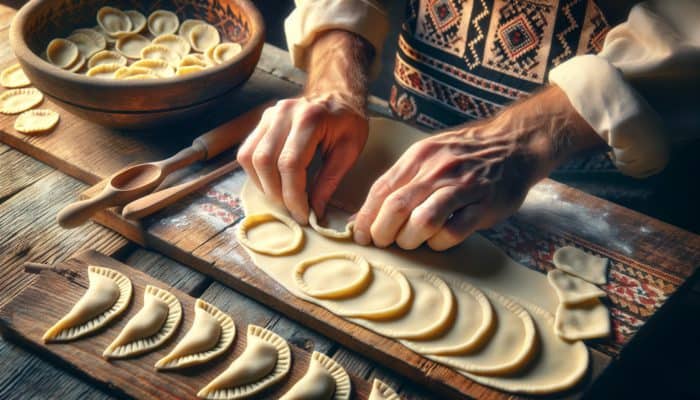
Correctly sealing your varenyky is essential to prevent your delectable fillings from leaking during cooking. Start by placing a spoonful of filling in the center of each dough circle. Next, fold the dough over the filling to create a half-moon shape. At this stage, it's crucial to ensure that no filling escapes. Gently pinch the edges together, working from one end to the other while making sure there are no air pockets trapped inside.
For a more secure seal, consider employing the following techniques:
- Moisten the edges of the dough with a small amount of water before sealing; this promotes better adhesion.
- Use a fork to press down along the edges, creating an attractive and effective seal.
- Experiment with twisting the edges for a traditional decorative touch.
- Ensure the filling is evenly distributed; an overloaded filling can easily lead to ruptures during cooking.
Taking the time to seal your varenyky properly will not only enhance their appearance but also guarantee that the delicious filling remains intact throughout the cooking process.
What Are the Best Cooking Methods for Varenyky?
When it comes to cooking varenyky, you have several methods to choose from: boiling, frying, or baking. Each method produces distinct textures and flavours, catering to a variety of preferences. Boiling is the most traditional method, preferred for its simplicity, resulting in tender, fluffy varenyky that maintain the moisture of the filling. To boil, bring a pot of salted water to a rolling boil and cook the varenyky until they float, which usually takes around 3-5 minutes.
Frying, on the other hand, adds a delightful crispiness to your varenyky. After boiling, pan-fry them in a little oil or butter until golden brown on both sides. This method is particularly effective for savoury fillings, as the crispy exterior provides a wonderful contrast to the soft, warm interior.
Baking offers a healthier alternative, resulting in a unique texture altogether. If you decide to bake your varenyky, be sure to brush them with melted butter before placing them in a preheated oven, enhancing the flavour while preventing dryness. Consider the filling when choosing a cooking method; fruit-filled varenyky may shine when boiled, while cheese or potato fillings might benefit from the crispy finish achieved through frying or baking.
How to Select the Most Delicious Filling for Varenyky?
The world of varenyky fillings is as diverse as it is delicious. Traditional fillings such as potato and cheese remain popular for good reasons, but the potential for creativity is limitless. You could explore exciting combinations like sweet potato and feta or ricotta and spinach, pushing the boundaries of what varenyky can be. Always keep in mind the balance of flavours and textures within your filling. A well-balanced filling should incorporate creaminess, saltiness, and perhaps a hint of sweetness, especially when using fruit.
Don't hesitate to mix and match fillings! For instance, consider creating a blend of mashed potatoes with crumbled bacon and chives or a sweet filling of cherries combined with a touch of vanilla. The more imaginative you are, the more delightful surprises await your palate. Always remember to taste your filling mixture before sealing; this practice allows for necessary adjustments, ensuring your varenyky will be bursting with flavour and character.
Innovative Tips for Serving and Presenting Your Varenyky
Effective presentation significantly enhances the dining experience when serving varenyky. After boiling or frying, arrange the varenyky on a large platter, ensuring they are not overcrowded. You can garnish them with a dollop of sour cream, a sprinkle of fresh herbs like dill or parsley, and perhaps some crispy fried onions for added texture. Drizzling melted butter over the top not only enhances flavour but also gives an appealing sheen.
Consider serving varenyky alongside a vibrant salad or a comforting bowl of borscht to create a complete meal. The colour contrast between the varenyky and fresh ingredients results in an attractive visual presentation. During festive occasions, you might want to serve them with an assortment of dips and sauces, allowing guests to personalize their flavours. This interactive element can elevate the dining experience, promoting conversation and joy as you share this cherished dish.
Comprehensive Step-by-Step Guide to Preparing Varenyky
How to Properly Mix and Knead the Dough for Varenyky
Mixing and kneading the dough is the crucial first step in crafting your varenyky. Start by sifting your flour into a large mixing bowl to aerate it, ensuring a light and fluffy dough. Next, add the salt, mixing it thoroughly throughout the flour to evenly distribute the flavour. Gradually pour in water, using your hands or a wooden spoon to blend everything into a cohesive mixture. The key here is to add water slowly, allowing the flour to absorb it without becoming overly wet.
Once the mixture begins to come together, transfer it to a lightly floured surface to start kneading. This step is vital, as it develops the gluten in the flour, giving your dough the elasticity necessary for rolling. Knead the dough vigorously for about 10 minutes, using the heels of your hands to push the dough away, folding it back over itself, and repeating this process. The dough should become smooth and elastic, feeling soft yet not sticky. If it clings to your hands, sprinkle in a little more flour as needed.
How to Roll and Cut the Dough for Varenyky with Precision
Once your dough has rested, it’s time to roll it out and cut it into uniform circles. Begin by dividing the dough into manageable portions, keeping the remaining pieces covered to prevent drying out. Using a rolling pin, roll out a portion of dough on a lightly floured surface to about 1/8 inch thickness. Aim for even thickness to ensure uniform cooking results. If the dough is too thick, your varenyky will be chewy; if it’s too thin, they may tear easily.
For cutting, use a round cutter, a glass, or even a knife to create uniform pieces. A standard diameter is about 3-4 inches, although you can adjust this based on your preference. As you cut, be sure to re-flour the surface and your cutter to prevent sticking. Gather any scraps of dough, knead them together, and repeat the rolling and cutting process until all the dough has been utilized. This systematic approach not only enhances presentation but also facilitates even cooking.
Step-by-Step Process for Assembling Your Varenyky with Care
Assembling your varenyky is where the magic truly happens! Take one of your dough circles and place it in the palm of your hand. Using a spoon, add a generous scoop of your chosen filling in the center. Be cautious not to overfill, as this can lead to leaks during cooking. The ideal amount is about a tablespoon, allowing just enough to showcase the filling without overwhelming the dough.
To seal the varenyky, fold the dough circle in half over the filling, creating a half-moon shape. With your fingers, gently press the edges together, ensuring there are no air pockets trapped inside. For added security, you may crimp the edges using a fork, which also adds a decorative touch. As you assemble each varenyky, place them on a floured surface or a baking sheet lined with parchment paper to prevent sticking. Keep the assembled varenyky covered with a damp cloth to maintain moisture as you work through the remaining dough.
The Traditional Method for Perfectly Boiling Varenyky
Boiling is the most traditional technique for cooking varenyky, resulting in soft, pillowy bites that are simply delightful. Begin by filling a large pot with water and adding a generous amount of salt—this will enhance the flavour of the varenyky as they cook. Bring the water to a rolling boil before adding the varenyky in batches. Be careful not to overcrowd the pot, as this can lower the water temperature and lead to uneven cooking.
Once the varenyky are in the pot, stir gently to prevent them from sticking to the bottom. As they cook, keep an eye on them to see when they float to the surface; this indicates they are fully cooked. This typically takes about 3-5 minutes. Once they have floated, allow them to cook for an additional minute to ensure they are thoroughly cooked. Use a slotted spoon to remove the varenyky, allowing excess water to drain off before transferring them to a serving dish. For an added layer of flavour, toss them in melted butter immediately after boiling.
Enjoying Your Varenyky: Serving and Savoring
Now comes the most enjoyable part—serving and enjoying your freshly made varenyky! These delightful dumplings can be served hot and savoured on their own, or you can enhance the experience with toppings. A classic choice is a dollop of sour cream, which adds a creamy tang that beautifully complements the soft dough and savoury filling. Alternatively, consider melted butter, a sprinkle of crispy fried onions, or fresh herbs to add depth and richness.
Varenyky are incredibly versatile and can be enjoyed as a main dish or served as a side. For a more substantial meal, pair them with a refreshing salad or a comforting bowl of soup, allowing the varenyky to shine as the star of your meal. It’s essential to provide a selection of sauces or toppings, inviting everyone at the table to personalize their dumplings. Regardless of how you serve them, the warmth and flavour of homemade varenyky are sure to create a memorable dining experience.
How Can You Enhance the Flavour of Your Varenyky?
Integrating Fresh Herbs and Spices for Enhanced Taste
Integrating fresh herbs and spices into your varenyky can elevate basic fillings into flavourful masterpieces. Fresh herbs like dill, parsley, and chives add bursts of freshness that enhance both savoury and sweet fillings. For example, incorporating finely chopped dill into the potato filling creates a delightful combination that balances the creaminess of the potato. Similarly, a sprinkle of fresh chives can introduce a subtle onion flavour to cheese-filled varenyky.
Also, consider the effect of spices. A pinch of nutmeg can enhance sweet fillings, particularly those featuring fruits like plums or cherries. Conversely, spices such as black pepper or paprika can add warmth and depth to savoury fillings. Experimenting with these additions allows you to discover unique flavour combinations that not only please the palate but also enliven your dishes.
What Are Some Creative Filling Ideas for Varenyky?
The beauty of varenyky lies in their versatility; experimenting with different fillings can keep your culinary adventures exciting. Traditional fillings provide a solid foundation, but branching out can lead to delightful surprises. Think outside the box: why not try a combination of roasted garlic and ricotta for a creamy, flavour-packed filling? Or, for a sweet twist, consider blending mashed banana with cinnamon and a touch of sugar?
To keep things interesting, consider using seasonal ingredients. During summer, fresh zucchini mixed with feta can create a refreshing filling, while autumn calls for spiced pumpkin or butternut squash. The key is to balance flavours and textures, ensuring that each bite remains harmonious. Embracing new fillings can result in exciting variations of this classic dish, making every meal a new experience.
What Sauces Pair Delightfully with Varenyky?
The choice of sauce can elevate your varenyky from ordinary to extraordinary. Traditional pairings include sour cream and melted butter, both of which complement the dumplings beautifully. Sour cream adds a tangy richness that balances savoury fillings, while melted butter provides a luxurious coating that enhances the overall experience. You might also caramelize onions, introducing a depth of flavour through their sweet, rich character.
If serving sweet varenyky, consider drizzling them with a fruit compote or a spoonful of jam. A dollop of whipped cream can also work wonders, enhancing the sweetness while adding a light, airy texture. Exploring different sauces allows you to customize your meal and cater to various taste preferences, transforming each serving into a unique experience full of flavour.
Evidence-Based Benefits of Cooking Classic Ukrainian Varenyky
Nutritional Profile of Varenyky: A Healthy Meal Option
Varenyky, when made with wholesome ingredients, can provide a nutritious meal option. The choice of fillings significantly influences their health benefits. For example, potato-filled varenyky offer a good source of carbohydrates, while cheese fillings can contribute protein and calcium. Incorporating vegetables like spinach or <a href=”https://limitsofstrategy.com/smoke-mushrooms-for-umami-flavor-your-quick-guide/”>mushrooms</a> not only brings vibrant flavours but also enhances the overall nutritional profile.
The dough itself, made from simple ingredients like flour and water, can contribute to a balanced diet when paired with nutrient-dense fillings. Using whole grain flour increases fibre content, making varenyky a more health-conscious choice. It’s essential to consider portion sizes and pairings; serving them alongside a fresh salad or soup can create a well-rounded meal that satisfies hunger while nourishing the body.
Cultural Importance of Varenyky in Eastern European Traditions
The cultural significance of varenyky extends far beyond their delightful taste. These dumplings are often associated with family gatherings, celebrations, and traditional feasts. In many Eastern European cultures, preparing varenyky is a communal activity that brings families together to share in the cooking process. This practice fosters a sense of connection and tradition across generations.
In Ukraine, for instance, varenyky are frequently served during holidays and festive occasions, symbolizing abundance and prosperity. The act of making them together creates lasting memories and strengthens familial bonds. Understanding the cultural significance of varenyky enriches your cooking experience, reminding you that each dumpling you prepare carries a legacy of tradition and love.
How Does Cooking Varenyky Foster Family Bonding?
The process of preparing and enjoying varenyky serves as a wonderful opportunity for fostering family bonding. Involving family members in the cooking process creates chances for shared experiences and storytelling. From mixing the dough to filling and sealing the varenyky, each step presents an opportunity for interaction and collaboration. Whether you have children helping at the table or older generations sharing their tips, these moments strengthen connections.
To make the experience even more engaging, consider hosting a varenyky party where each family member can create their unique filling combination. This allows everyone to express their creativity and preferences while enjoying the company of others. Ultimately, cooking varenyky together not only results in delicious food but also creates lasting memories that family members will cherish for years to come.
How to Serve and Enjoy Varenyky Effectively
Plating Techniques for an Impressive Varenyky Presentation
When it comes to plating varenyky, presentation is vital. A well-presented dish enhances the dining experience and reflects the care and effort invested in preparation. Begin by arranging the varenyky in a circular pattern on a large serving platter, allowing guests to appreciate their appearance. For a personal touch, consider serving them in individual bowls, each topped with a different sauce or garnish.
To enhance visual appeal, think about adding contrasting colours—bright green herbs like dill or parsley make for beautiful garnishes. Drizzling melted butter over the varenyky for a glossy finish or sprinkling some toasted seeds or nuts for added texture can also elevate the presentation. The goal is to create a plate that not only looks enticing but also invites everyone to dig in and savour the delicious flavours you’ve crafted.
What Are the Best Side Dishes to Complement Varenyky?
Complementing varenyky with the right side dishes can elevate your meal, creating a harmonious dining experience. Consider serving them alongside a classic borscht, which offers a vibrant and hearty contrast. A light salad made with fresh greens, tomatoes, and cucumbers can also refresh the palate between bites of rich varenyky.
For a heartier option, pair your varenyky with roasted vegetables or a warm grain salad, providing a delightful balance of flavours and textures. Alternatively, a creamy soup can warm the soul and enhance the overall experience. The key is to choose sides that complement and enhance the flavours of the varenyky, creating a well-rounded meal that satisfies a variety of tastes.
Best Practices for Storing and Reheating Varenyky
Proper storage and reheating techniques are crucial for maintaining the deliciousness of leftover varenyky. To store, place them in an airtight container, separating layers with parchment paper to prevent sticking. If properly stored, varenyky can last in the fridge for up to three days. For longer storage, freezing is an excellent option—ensure they are well-wrapped to prevent freezer burn.
When it’s time to enjoy your leftovers, reheating is key to preserving their texture. For boiled varenyky, gently reheat them in a pot of boiling water for a few minutes until heated through. Alternatively, you can pan-fry them in a little oil for a crispy finish. If you have baked varenyky, place them in a preheated oven at 180°C (350°F) for about 10-15 minutes to warm through. These methods ensure your varenyky remain delicious and ready to be enjoyed again.
How to Pair Varenyky with Sauces and Toppings for Maximum Flavour
The right sauces and toppings can elevate your varenyky to the next level. Traditional accompaniments like sour cream and melted butter are always popular, but don’t hesitate to explore other options. For a twist, consider caramelized or crispy bacon bits on top, which contribute a delightful crunch and flavour contrast.
If you’re serving sweet varenyky, a drizzle of fruit sauce or compote can beautifully enhance their sweetness. A sprinkle of powdered sugar is also a simple yet effective touch. Experimenting with different sauces and toppings allows you to create a unique dining experience each time you serve varenyky, making every meal an adventure full of flavour.
How to Enjoy Varenyky at Different Meals Throughout the Day
Varenyky are incredibly versatile, making them suitable for any meal of the day. For breakfast, you can serve them alongside scrambled eggs and sautéed vegetables, creating a fulfilling start to the day. At lunch, they pair wonderfully with a light soup or salad, allowing for a nourishing midday meal.
For dinner, varenyky can truly shine as a main dish, especially when accompanied by hearty sides or complemented with meats like roast chicken or pork. Their adaptability makes them an excellent choice for meal prepping, ensuring a delicious, satisfying dish is ready for any occasion. Regardless of the time of day, varenyky remain a beloved choice that consistently delights.
Frequently Asked Questions About Varenyky: Comprehensive Answers
What is the origin of varenyky and their cultural significance?
Varenyky are traditional Ukrainian dumplings with origins that trace back centuries. They are often associated with family gatherings and festive occasions in Eastern European cultures, symbolizing abundance and togetherness.
Can I freeze varenyky before cooking them, and how?
Yes, you can freeze varenyky before cooking. Arrange them on a baking sheet in a single layer until frozen, then transfer them to an airtight container or freezer bag for later use.
What is the best way to cook frozen varenyky for optimal taste?
For frozen varenyky, boil them directly from the freezer. Increase the cooking time slightly, usually around 5-7 minutes, until they float to the surface, indicating they are done.
How long can I store leftover varenyky without losing quality?
You can store leftover varenyky in the refrigerator for up to three days. Ensure they are in an airtight container to maintain freshness.
Can I use whole wheat flour for the dough, and what changes will it bring?
Yes, whole wheat flour can be used to make varenyky dough. It will impart a nuttier flavour and denser texture, but you may need to adjust the water content accordingly.
What are some popular fillings for varenyky that everyone loves?
Popular fillings for varenyky include potato, cheese, sauerkraut, meat, and various fruits. You can also create unique combinations to suit your taste.
How do I prevent varenyky from sticking together while cooking them?
To prevent sticking, ensure the varenyky are well-floured before cooking. You can also stir gently while they boil to keep them from clumping together.
What are some traditional toppings for varenyky that enhance their flavour?
Traditional toppings for varenyky include sour cream, melted butter, fried onions, or fresh herbs. Each adds a unique flavour that beautifully complements the dumplings.
Can I make varenyky ahead of time for convenience?
Absolutely! You can prepare varenyky ahead of time, either by boiling or freezing them, making them a perfect option for meal prep or gatherings.
Are varenyky gluten-free, and how can I modify them?
Traditional varenyky are not gluten-free due to the flour used in the dough. However, you can substitute gluten-free flour blends to create a gluten-free version.
Connect with us on Facebook!
The post How to Cook a Classic Ukrainian Varenyky: A Step-by-Step Guide appeared first on https://cookinggods.com
The Article Classic Ukrainian Varenyky: Your Step-by-Step Cooking Guide Was Found On https://limitsofstrategy.com
The Article Ukrainian Varenyky: A Step-by-Step Cooking Guide First Appeared ON
: https://ad4sc.com
No responses yet